

Where Should Cabinet Handles Be Placed?
Cabinet handle placement plays a crucial role in both the functionality and visual balance of kitchen, bathroom, and furniture cabinets. The right placement ensures comfortable grip, smooth opening, and a cohesive look that complements the overall interior design. While style preferences influence installation choices, there are practical guidelines that help determine the ideal position for Cabinet Handles. These guidelines consider ergonomics, cabinet type, door orientation, drawer size, and user habits. DALILAI offers a wide range of durable and stylish cabinet handles designed to suit different installation placements and design needs. Knowing where cabinet handles should be placed ensures your cabinetry performs well and looks professionally crafted.
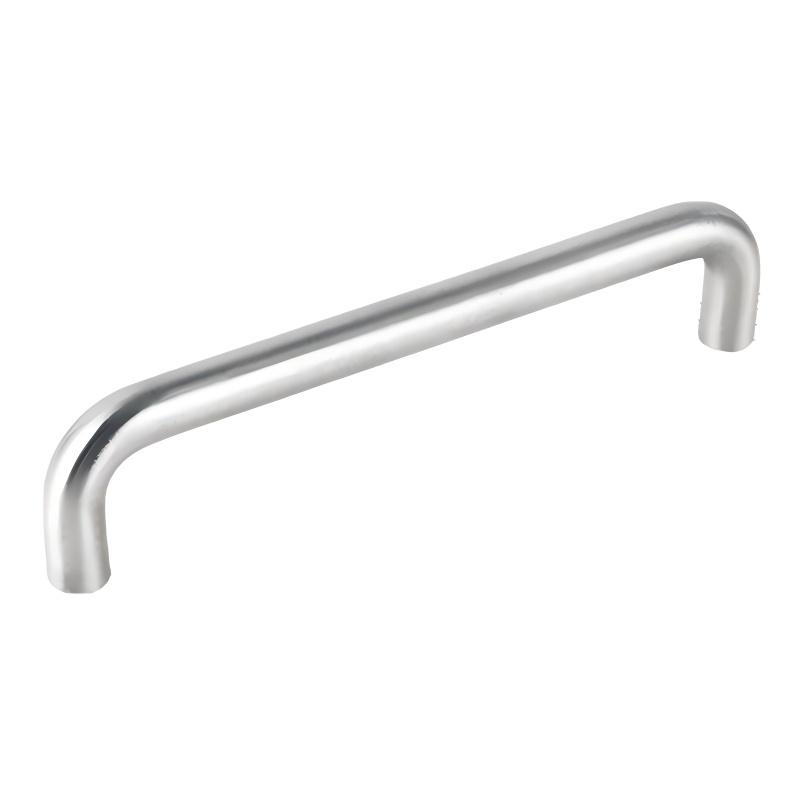
Table of Contents
- Understanding the Purpose of Proper Handle Placement
- Standard Placement for Cabinet Doors
- Optimal Placement for Drawers
- Symmetry and Visual Balance Across Cabinet Layouts
- Considering Handle Style When Choosing Placement
- Ergonomics and User Comfort in Handle Positioning
- Custom Placement for Unique Cabinet Designs
- Installation Considerations and Measuring Tips
- Conclusion
Understanding the Purpose of Proper Handle Placement
Correct handle placement improves accessibility and reduces the effort needed to open or close cabinets. Poorly placed handles may require awkward wrist movements, lead to premature hardware wear, or disrupt the cabinet’s visual symmetry. Placement also affects long-term convenience: positioning should feel natural and align with how users interact with the cabinet daily.
The DALILAI cabinet handle collection includes designs suitable for various placement methods, allowing homeowners and designers to match handles to both functional needs and stylistic intentions. The goal is to create a balance between comfort and aesthetic precision.
Standard Placement for Cabinet Doors
Cabinet doors, whether upper or lower, follow established guidelines that ensure ease of use. For upper cabinets, handles are typically placed near the bottom corner of the door. For lower cabinets, handles are positioned near the upper corner. This minimizes reach distance and allows users to access contents with minimal effort.
Horizontally oriented doors or lift-up cabinet fronts may require centered placement along the bottom edge to support smooth lifting. Vertical doors with Shaker or inset designs often align handles with interior frame lines to maintain clean geometry.
Typical door handle placement guidelines:
Upper cabinet doors: bottom corner, 1–2 inches from the vertical edge
Lower cabinet doors: top corner, 1–2 inches from the vertical edge
Tall pantry doors: midpoint height or ergonomic height zone depending on door size
DALILAI produces handle styles in multiple lengths and shapes that suit these common installation points, ensuring a harmonious appearance across all cabinets.
Optimal Placement for Drawers
Drawer handles require slightly different positioning due to their horizontal structure. For small drawers, handles are placed at the center of the drawer front. Medium to large drawers often benefit from two-handle installations or centered long handles that distribute pulling force evenly.
Drawer placement considerations include weight of contents, drawer height, and drawer width. Heavy drawers holding pans or tools need larger, centered handles that allow strong grip. Shallow drawers with light contents can use shorter handles placed precisely in the center.
Standard drawer placement recommendations:
For shallow drawers: centered vertically and horizontally
For deep drawers: upper third of the drawer front for easier pulling
For oversized drawers: a long handle or two matching pulls spaced evenly
DALILAI’s collection provides multiple handle sizes to support these placements and maintain ergonomic performance.
Symmetry and Visual Balance Across Cabinet Layouts
Cabinet handle placement affects more than practicality; it contributes significantly to the visual cohesion of the room. Perfectly aligned handles create clean lines that enhance modern designs, while staggered placements may be used to highlight architectural detail.
Vertical alignment is particularly important: handles should line up across adjacent cabinets when possible, especially in contemporary interiors. Designers also consider horizontal alignment across drawer banks and between upper and lower cabinets to establish visual order.
By offering handles in consistent design families and varied lengths, DALILAI helps decorators maintain symmetry while adapting placement to fit functional needs.
Placement Comparison Table
| Cabinet Type | Standard Placement | Visual Impact |
|---|---|---|
| Upper doors | Bottom corner | Improves reach and symmetry |
| Lower doors | Top corner | Enhances ergonomic access |
| Drawers | Center or upper third | Supports balanced pull |
| Tall cabinets | Center height or ergonomic zone | Creates vertical balance |
These guidelines help ensure a cohesive installation.
Considering Handle Style When Choosing Placement
Certain handle styles function better in specific placements. Bar handles, for example, work well across both doors and drawers and support horizontal or vertical installation. Curved handles may require more precise positioning to maintain symmetry. Recessed handles create a minimalist look and are usually centered for best appearance.
DALILAI designs cabinet handles with refined proportions that maintain their visual balance whether installed horizontally or vertically. The versatility of these designs allows for consistent handle placement throughout the room.
Ergonomics and User Comfort in Handle Positioning
Ergonomic positioning ensures comfort for daily use. Handles placed too low or high may cause unnecessary bending or stretching. For tall pantry cabinets, placing the handle at the natural reach height makes opening easier. For drawers, placing handles slightly above center reduces wrist strain.
User comfort considerations:
Children’s rooms may need lower placement
Elderly users may need higher placement for easy access
Kitchens benefit from handles positioned within the natural arm movement zone
DALILAI focuses on comfortable grip design, ensuring handles feel natural at any height.
Custom Placement for Unique Cabinet Designs
Some cabinets require customized placement due to unique design features such as glass panels, decorative frames, or integrated molding. Handle placement may shift to avoid interfering with structural details or to emphasize symmetry.
Examples of custom placement:
For framed cabinet styles, handles align with the frame lines
For glass inset doors, handles position slightly further from edges
For louvered or slatted doors, placement aligns with slat spacing
DALILAI handle collections include both modern and classic styles, making it easier to select hardware that complements unique cabinetry layouts.
Installation Considerations and Measuring Tips
Precise measurement is essential for accurate handle placement. Before drilling any holes, marking the cabinet surface with a template ensures symmetry across all doors and drawers. Handle hole spacing is equally important; common sizes such as 96 mm, 128 mm, and 160 mm must match the handle’s mounting hardware.
Practical measuring tips:
Measure twice before drilling
Use leveling tools to maintain alignment
Verify spacing on multiple cabinets before final installation
Handles from DALILAI include well-machined mounting points that make installation straightforward and reliable.
Conclusion
Determining where cabinet handles should be placed involves balancing practicality, visual harmony, ergonomic comfort, and cabinet structure. Properly positioned handles improve accessibility and create a unified look throughout the space. DALILAI’s cabinet handles offer versatile designs and multiple sizes that support ideal placement on cabinet doors, drawers, and tall storage units. With thoughtful positioning and high-quality hardware, cabinets not only function better but also contribute to a refined and cohesive interior design.