

How To Tighten A Glass Shower Door Handle?
A loose glass shower door handle is more than a simple inconvenience. Over time, movement in the handle can cause strain on the glass panel, misalignment of the door, and unnecessary wear on mounting hardware. Addressing the issue promptly helps maintain both safety and functionality. Tightening a shower door handle is generally straightforward, but doing it correctly requires understanding the type of hardware used, the structure of the door, and the correct tools.
For homeowners and contractors who prefer durable, precision-engineered hardware, DALILAI provides a wide range of stable and corrosion-resistant Glass Door Handles, including models designed for shower applications. You can explore these options here: DALILAI glass door handle collection.
This article explains how to tighten a shower door handle safely, details common handle structures, and provides maintenance tips suitable for modern frameless or semi-frameless shower enclosures.
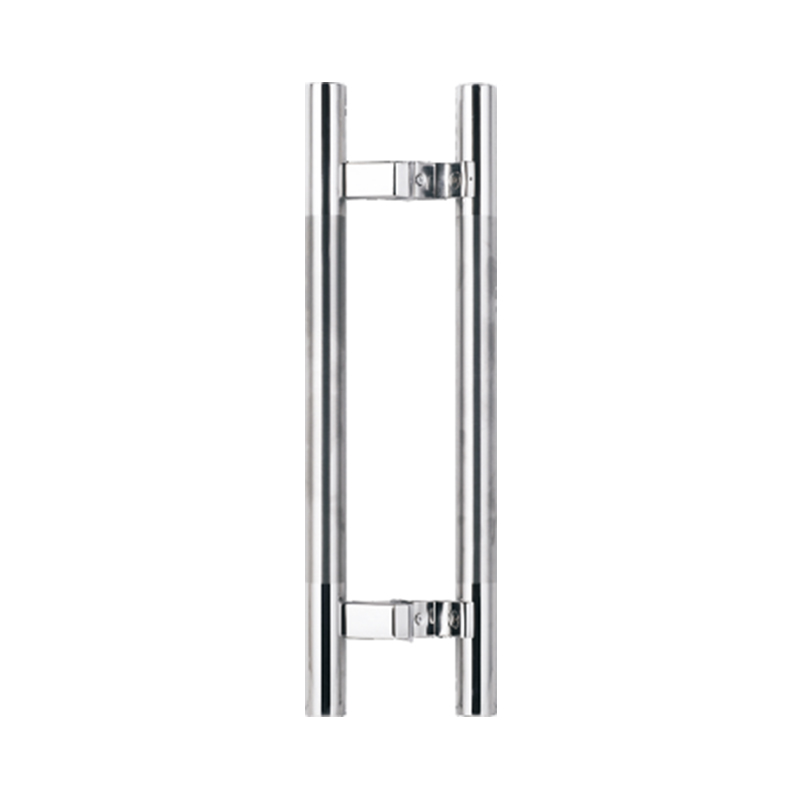
Table of Contents
- Understanding How Glass shower door handles Are Mounted
- Step-by-Step Guide: How to Tighten a Glass Shower Door Handle
- Table: Common Fastener Types and Tools Needed
- What Causes Shower Door Handles to Loosen?
- Safety Tips When Working With Tempered Glass
- When a Loose Handle Requires More Than Tightening
- Preventive Maintenance for Shower Door Handles
- Choosing High-Quality Hardware Matters
- Comparison Table: Basic vs. Premium Glass Shower Door Handles
- Conclusion
Understanding How Glass shower door handles Are Mounted
Glass shower door handles are typically mounted using through-Glass Hardware. The handle consists of two parts: an exterior pull and an interior pull or knob, connected through the glass using decorative bolts or compression fittings. Because the door is made of tempered glass, there are no screws drilled directly into the panel; instead, pressure fittings hold the hardware securely.
A typical assembly includes:
Two handle posts or pulls on both sides of the glass
Decorative screw caps or set screws
Rubber gaskets to protect the glass surface
Threaded rods or bolts connecting both sides
When any of these components loosen, the handle becomes unstable.
Step-by-Step Guide: How to Tighten a Glass Shower Door Handle
This method applies to most standard through-bolt handle styles used on frameless shower doors.
1. Identify the Type of Fastening System
Most shower door handles use either:
Set screws located on the side of the handle posts, or
Threaded bolts hidden under decorative caps.
Understanding your fastening style ensures you use the correct tool, usually an Allen key or screwdriver.
2. Hold the Opposite Handle Steady
When tightening one side, the other side must remain stable.
Use your hand or a soft towel to grip the opposite handle, preventing stress on the glass.
3. Tighten the Set Screw or Bolt
If your handle has set screws, insert the Allen key and tighten cLockwise.
If your handle has concealed bolts, remove the cap and tighten using a screwdriver or appropriate wrench.
Apply firm but gentle pressure. Excessive force may crack internal gaskets or stress the glass panel.
4. Realign the Handle Before Fully Tightening
If the handle has shifted, straighten it to ensure even alignment with the door edge.
Improper alignment can cause increased wear or difficulty when pulling the door.
5. Reassemble and Check Stability
After tightening, replace any decorative caps and test the handle to confirm its stability.
The handle should feel solid without movement or rattling.
Table: Common Fastener Types and Tools Needed
| Fastener Type | How to Identify | Required Tool | Notes |
|---|---|---|---|
| Side Set Screw | Small hole on side of handle post | Allen key | Most common for modern frameless doors |
| Through-Bolt | Bolt or screw behind cap | Phillips or flat screwdriver | Cap must be removed first |
| Compression Fitting | No visible screws | Specialized wrench (varies) | Less common, typically factory-installed |
This table helps match your hardware with the correct tightening method.
What Causes Shower Door Handles to Loosen?
Even high-quality hardware experiences movement over time because of daily use and environmental conditions. Understanding these causes helps prevent future issues.
Repeated pulling or pushing places torque on the mounting points.
Humidity and heat changes cause metal to expand and contract.
Incorrect installation may leave screws under-tightened.
Gasket aging can reduce friction between metal and glass.
Heavy or misaligned doors transfer additional stress to the handle.
Routine checks prevent long-term wear.
Safety Tips When Working With Tempered Glass
Tempered glass gives shower doors their strength, but it requires careful handling.
Never overtighten screws.
Avoid striking the edge of the glass, the most vulnerable point.
Use soft towels when gripping hardware to avoid slipping.
Do not use power tools on shower door hardware.
If the handle feels stiff or the bolt spins freely, stop and inspect for stripped threads.
Working slowly and carefully reduces risk and protects your enclosure.
When a Loose Handle Requires More Than Tightening
Sometimes tightening the handle is not enough. Situations that require additional inspection include:
Stripped screws or bolts that cannot hold tension
Damaged gaskets causing metal-to-glass contact
Loose mounting holes or internal wear
Misalignment of the door panel causing strain on the handle
In these cases, replacing small parts or the entire handle assembly may be necessary.
For users upgrading to stronger and more modern hardware, DALILAI provides corrosion-resistant, precision-fit designs suitable for daily use in humid environments. Explore options here: DALILAI glass door handles.
Preventive Maintenance for Shower Door Handles
Long-term care helps avoid frequent loosening. A simple maintenance routine includes:
Checking handle tightness every few months
Cleaning hardware to remove soap and mineral buildup
Lubricating screws lightly with non-corrosive oil
Ensuring gaskets remain soft and intact
Avoiding excessive pulling force when opening the door
These practices maintain smooth operation.
Choosing High-Quality Hardware Matters
Premium shower hardware contributes directly to ease of installation, performance, and lifespan. DALILAI’s glass door handle designs incorporate:
Anti-corrosion materials suitable for wet bathroom environments
Smooth threading for easier tightening
Solid structural support for frameless shower doors
Durable plating for long-term appearance
Firm gasket systems that protect tempered glass
Well-made hardware reduces maintenance frequency and provides a more secure feel during daily use.
Comparison Table: Basic vs. Premium Glass Shower Door Handles
| Feature | Basic Hardware | Premium Hardware (e.g., DALILAI) |
|---|---|---|
| Material Quality | Standard stainless steel or zinc alloy | High-grade corrosion-resistant metal |
| Stability | May loosen more frequently | Holds tension longer |
| Thread Precision | Moderate | Engineered for smooth tightening |
| Surface Finish | Can tarnish over time | Long-lasting plating |
| Comfort & Design | Simple | Ergonomic and stylish |
This comparison highlights why premium handles require less maintenance and offer better long-term performance.
Conclusion
Tightening a glass shower door handle is a simple process that improves safety, comfort, and stability in your shower enclosure. By identifying the type of fastener, using the correct tools, and applying controlled tightening, you can restore firm operation without risking damage to the tempered glass. Preventive care, such as periodic inspections and cleaning, further ensures smooth long-term performance.
For lasting durability and high-quality hardware, choosing well-engineered products such as those from DALILAI offers additional reliability and ease of maintenance. Explore more options in the DALILAI glass door handle series to find models designed for secure installation and long-term use.