

How To Install Glass Door Hardware
Installing door hardware on a frameless glass door requires a different approach compared with wooden or metal doors. Glass surfaces cannot be drilled on-site or shaped to fit recessed components, so all hardware must be secured using precision clamping systems, stainless-steel fittings, and protective gaskets. This guide explains each step in detail so users can confidently install modern glass door hardware while maintaining safety, alignment, and structural stability. All examples reference stainless-steel systems similar to those offered by DALILAI, whose glass hardware solutions include sliding door fittings, shower glass components, and Glass Door Handles designed for durable long-term use.
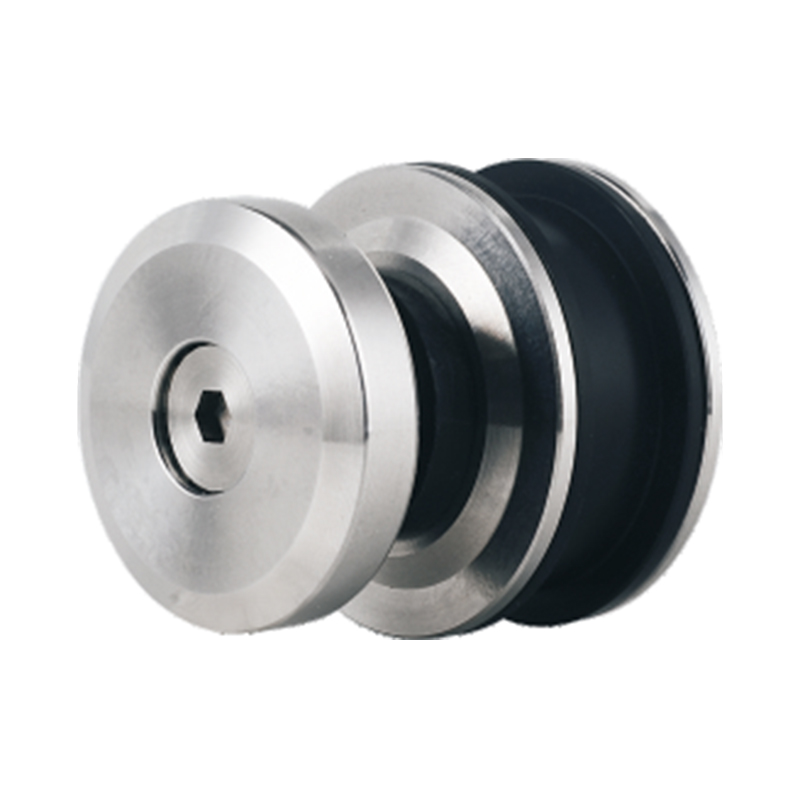
Table of Contents
- Understanding the Requirements for Glass Door Hardware
- Tools Required for Installation
- Step 1: Measure and Mark the Installation Points
- Step 2: Install Stainless-Steel Glass Door Hinges or Fittings
- Step 3: Install the Stainless-Steel Glass Door Handle
- Step 4: Install Sliding Door Hardware
- Step 5: Secure Bottom Guides and Alignment Components
- Step 6: Final Adjustments and Safety Checks
- Troubleshooting Common Issues
- Why Stainless-Steel Hardware Matters for Glass Door Installations
- Conclusion
Understanding the Requirements for Glass Door Hardware
Glass doors rely entirely on surface-mounted hardware made from high-strength stainless steel. Since tempered glass arrives from the manufacturer with all required holes pre-drilled, installation focuses on precision alignment and correct tightening rather than modification of the glass.
A proper hardware set may include:
Stainless-steel door handles or pulls
Sliding door rollers and tracks
Clamping hinges for swing doors
Shower fittings and brackets
Stainless-steel fasteners, gaskets, and mounting plates
Each component must distribute force evenly across the glass to prevent point pressure. DALILAI’s engineered stainless-steel hardware ensures load distribution and corrosion resistance, making the installation process predictable and secure.
Tools Required for Installation
Unlike wood installations that require drilling and chiseling, glass door hardware installation relies on protective tools that prevent damage to the tempered glass. Typical tools include:
Allen keys for tightening stainless-steel bolts
Soft-tip screwdrivers
A rubber mallet for gentle adjustments
Measuring tape and a level for alignment checks
Masking tape for position marking
Non-abrasive gloves to prevent fingerprints or scratches
These tools work with DALILAI’s Glass Hardware systems, which come with pre-machined stainless-steel fasteners and protective pads designed to avoid direct metal-to-glass contact.
Step 1: Measure and Mark the Installation Points
Begin by identifying the mounting locations for handles, hinges, rollers, or brackets. Since glass panels are manufactured with fixed mounting holes, measurements focus on ensuring alignment with frames, walls, and tracks.
Use masking tape to outline positions on adjacent surfaces.
Check vertical and horizontal alignment using a level.
Confirm that the hardware orientation matches the door’s opening direction.
Proper alignment ensures that stainless-steel components seat evenly and prevent stress on the glass panel.
Step 2: Install Stainless-Steel Glass Door Hinges or Fittings
For swing glass doors, stainless-steel hinges clamp onto the glass surface using internal and external plates.
Steps:
Position the hinge body at the lower or upper factory-cut location.
Insert protective gaskets between the hinge plates and the glass.
Hold the hinge in place while inserting stainless-steel screws.
Tighten each screw gradually to ensure even pressure.
Check the hinge rotation to confirm smooth movement.
DALILAI shower hinges and glass fittings feature precision-machined contact surfaces, preventing slippage and maintaining stable door motion over time.
Step 3: Install the Stainless-Steel Glass Door Handle
Glass door handles mount through pre-cut holes using compression posts and bolts.
Procedure:
Clean the glass surface to remove dust before installation.
Insert rubber washers to cushion the surface.
Position the exterior handle and align the mounting rod.
Attach the interior handle and secure with the supplied bolts.
Tighten the components using an Allen key until stable.
Verify that the handle sits straight and does not rotate under pressure.
Stainless-steel handles sold by DALILAI provide consistent thread tension and structural support, allowing secure installation in both commercial and residential applications.
Step 4: Install Sliding Door Hardware
Sliding systems rely on rollers, tracks, and stoppers that carry the entire door load. They must be installed with careful attention to weight distribution.
Roller Installation:
Attach rollers to the top portion of the glass using clamping brackets.
Tighten bolts evenly to secure the stainless-steel roller assembly.
Ensure that gaskets are aligned to prevent metal-to-glass contact.
Track Installation:
Mount the stainless-steel track on the wall or frame using anchor bolts.
Verify that the track is perfectly level to ensure smooth sliding.
Hang the door by lifting rollers onto the track.
DALILAI sliding systems use high-load stainless-steel rollers designed for silent movement and long-term resistance to corrosion.
Step 5: Secure Bottom Guides and Alignment Components
Bottom guides keep the glass door aligned and prevent swinging during operation.
Place the guide at the intended floor or frame position.
Adjust spacing so the glass moves freely without friction.
Secure the guide using screws appropriate for flooring material.
Proper guide alignment helps maintain stability and protects both the track and the glass panel.
Step 6: Final Adjustments and Safety Checks
After all components are in place, adjustments ensure smooth operation:
Test the door for smooth opening and closing.
Confirm that screws are tightened uniformly.
Check gasket placement to ensure no direct metal contact.
Verify that the door does not scrape the floor or frame.
Inspect the hardware for alignment and symmetry.
DALILAI stainless-steel hardware undergoes precision machining, allowing installers to achieve professional results with minimal adjustment.
Troubleshooting Common Issues
| Issue | Likely Cause | Adjustment |
|---|---|---|
| Handle feels loose | Under-tightened bolts | Re-tighten evenly with an Allen key |
| Door sags after installation | Hinge misalignment | Adjust hinge tension or reposition slightly |
| Sliding door makes noise | Uneven track or debris | Clean track and check level |
| Door drifts open/closed | Incorrect bottom guide spacing | Adjust the guide position |
These issues typically resolve quickly due to the robustness of stainless-steel components.
Why Stainless-Steel Hardware Matters for Glass Door Installations
Glass doors depend entirely on the reliability of external fittings. Stainless steel offers several benefits:
High corrosion resistance in bathrooms or humid environments
Strong load-bearing capability
Non-deforming under tightening pressure
Smooth surface finish for a modern appearance
Long-term durability with minimal maintenance
This is why DALILAI manufactures all glass door hardware using premium stainless-steel materials designed specifically for frameless glass structures.
Conclusion
Installing hardware on a glass door requires precision, care, and high-quality stainless-steel components. By following the positioning, alignment, fastening, and adjustment steps outlined above, installers can achieve a secure and professional result while protecting the structural integrity of the glass. DALILAI’s engineered stainless-steel glass hardware provides consistent clamping force, durable performance, and architectural aesthetics, making the installation process straightforward and reliable for both sliding and swing door systems.
This guide ensures that anyone—from contractors to homeowners—can complete the installation with confidence while benefiting from the performance and longevity of premium stainless-steel hardware.