

How To Fix A Door Handle With Loose Screws?
A loose door handle is a common issue in both residential and commercial spaces. Whether installed on glass doors, wooden doors, or sliding systems, loose screws can cause wobbling, misalignment, noise, and even functional failure. Fixing this issue quickly helps protect the stability of the door, prevents damage to the mounting panel, and improves everyday user experience. For stainless-steel door hardware—such as DALILAI’s glass door handles and sliding door handles—proper tightening and maintenance ensure long-term durability and secure operation.
This guide explains how loose screws develop, how to fix them correctly, how to prevent future loosening, and how premium stainless-steel hardware improves reliability.
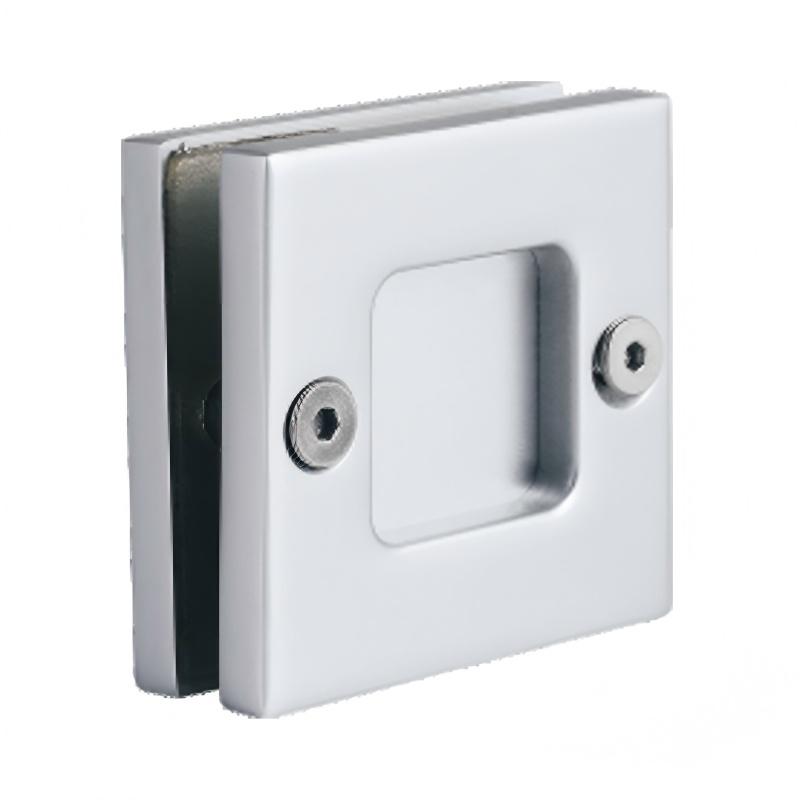
Table of Contents
Why Door Handle Screws Become Loose
Loose screws are typically the result of repeated use, natural vibration, and structural expansion or contraction. Handles installed on glass, aluminum, or sliding panels face different stresses compared to those on wooden doors.
Common causes include:
Frequent pulling force that gradually loosens the internal threads
Misalignment during initial installation
Vibration caused by sliding doors or heavy foot traffic
Temperature and humidity changes that cause material movement
Using the wrong screw type or insufficient tightening torque
Stainless-steel handle systems from DALILAI are engineered with precision bushings, reinforced screws, and optimized mounting plates to help minimize loosening while maintaining a firm and stable grip.
Tools You’ll Need
Although fixing this issue is simple, using the right tools helps prevent damage to the handle or mounting surface.
Basic tools include:
Screwdriver (Phillips or flathead depending on screw type)
Hex key / Allen wrench (for many glass and Sliding Door Handles)
Thread sealant or thread Locker (optional for vibration-heavy environments)
Soft cloth (for glass surfaces)
Rubber gloves (for grip and control)
DALILAI handle systems often include precision screws that match the required torque level and resist stripping, ensuring easier tightening and maintenance.
Step-by-Step Guide to Fixing a Loose Door Handle
The repair steps differ slightly depending on the type of handle and mounting method. The process below covers both Glass Door Handles and sliding door handles.
1. Inspect the Handle and Identify All Screw Points
Begin by determining which screws are loose. Door handles typically have:
Interior mounting screws
Exterior cover plate screws
Set screws at the base of the handle
Through-glass screws (for glass door models)
Glass door handles—like DALILAI’s stainless-steel series—usually use concealed Allen screws that clamp the handle securely without penetrating the glass.
2. Remove Any Decorative Covers or End Caps
Some handles include decorative plates that hide the mounting screws.
Steps:
Use a plastic tool or your fingers to gently pry off the cover.
Avoid using metal tools that can scratch stainless steel or the door surface.
Expose the screw housing before tightening.
DALILAI’s handle designs use removable stainless-steel covers that allow easy access without damaging the hardware.
3. Tighten the Screws Gradually and Evenly
Once screw access is available, tighten each screw slowly.
For glass door handles: use the provided hex key to tighten clamping screws evenly on both sides.
For sliding door handles: tighten wood screws or machine screws based on the mounting style.
Avoid overtightening, especially on glass installations, as uneven pressure may cause stress points.
Tip: Tighten in alternating order (left side → right side → top → bottom) to ensure balanced tension.
4. Stabilize the Handle Base and Check Alignment
While tightening, hold the handle in its correct position to avoid twisting. Improper angle alignment may lead to premature loosening.
Ensure:
The handle base sits flush with the door surface
There is no gap between the mounting plate and the door
The handle does not shift during tightening
DALILAI’s handle bases feature precision-machined surfaces to improve grip and maintain alignment over long-term use.
5. Reinstall the Cover Plate and Perform a Function Test
After all screws are secure:
Replace any decorative caps or plates.
Pull the handle several times to ensure there is no movement.
Check if the door closes smoothly without rattling or turning resistance.
If movement persists, inspect again for hidden set screws or misalignment.
Preventing Door Handle Screws From Loosening Again
To maintain stability long-term, the following practices help minimize recurring loosening:
1. Use Thread Locker When Necessary
A small drop of medium-strength thread locker prevents vibration-induced loosening. This is especially useful for sliding doors or high-traffic commercial environments.
2. Avoid Excessive Force
Slamming or forcefully pulling the door can strain the handle, gradually loosening screws.
3. Choose High-Quality Stainless-Steel Hardware
Premium hardware—like the stainless-steel products from DALILAI—offers:
Precision-cut threads
Stable screw-holding capacity
Vibration resistance
Corrosion-proof performance
These features significantly reduce the frequency of maintenance.
4. Check Screws Periodically
A simple quarterly inspection helps identify early signs of loosening before a major issue arises.
Comparing Common Handle Mounting Methods
Below is a table summarizing how different handle mounting styles respond to screw loosening.
| Handle Type | Mounting Style | Risk of Loosening | Maintenance Difficulty | DALILAI Product Suitability |
|---|---|---|---|---|
| Glass Door Handle | Through-clamp with set screws | Low when tightened correctly | Easy | High – stainless steel with precision screws |
| Sliding Door Handle | Surface-mount screws | Moderate due to vibration | Easy | High – anti-loosening screw design |
| Wooden Door Handle | Through-screw with internal plate | Depends on wood density | Medium | High quality alternative options |
To explore stainless-steel options designed to reduce loosening, see DALILAI’s glass door handles and sliding door handles.
When Should You Replace a Loose Door Handle Instead of Repairing?
Although tightening is effective for most cases, replacement becomes necessary when:
Threads are stripped internally
The screw cannot grip securely
The mounting plate is damaged
The handle wobbles even after tightening
Corrosion has weakened the connection
DALILAI’s stainless-steel handles offer improved thread strength and corrosion resistance, making them a durable upgrade for aging hardware.
Conclusion
Fixing a loose door handle is usually a simple process involving inspection, tightening, alignment, and maintenance. By using proper tools and following gradual tightening steps, most issues can be resolved within minutes. However, long-term reliability depends on the quality of the handle hardware.
DALILAI’s stainless-steel glass door handles and sliding door handles are engineered for strength, precision, and stability—reducing the likelihood of loose screws and ensuring secure operation in both residential and commercial environments.
A well-secured handle not only improves safety and convenience but also extends the service life of the door system itself.