

Does Glass Need To Be Tight Fitting in Shower?
When planning or installing a shower enclosure, one of the most common questions is whether the glass panels must fit tightly. This concern affects not only water containment but also safety, durability, installation tolerance, and long-term maintenance. Unlike solid walls, glass behaves differently under temperature changes, mechanical stress, and daily use. This article explains whether shower glass needs to be tight fitting, where tightness is necessary, where clearance is required, and how professional hardware systems address this balance. The discussion aligns with practical applications of high-quality systems such as DALILAI toilet cubicle hardware, which are designed to support safe and precise glass installation without forcing rigid fits.
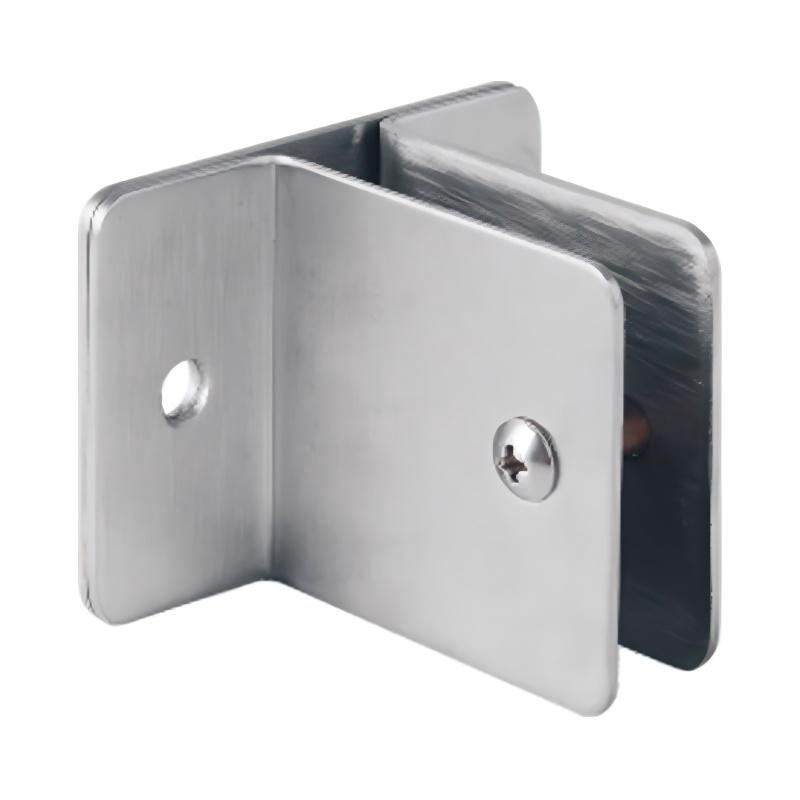
Table of Contents
- 1. What “Tight Fitting” Really Means for Shower Glass
- 2. Why Shower Glass Should Not Be Overly Tight
- 3. Where Controlled Gaps Are Necessary in Shower Glass
- 4. How Water Containment Works Without Tight Glass
- 5. The Role of Hardware in Managing Glass Fit
- 6. Tightness Requirements for Different Shower Glass Configurations
- 7. Long-Term Performance and Safety Considerations
- 8. Professional Installation Standards for Shower Glass
- Conclusion
1. What “Tight Fitting” Really Means for Shower Glass
In shower installations, “tight fitting” does not mean that glass panels should be forced tightly against walls, floors, or adjacent panels. Instead, it refers to controlled alignment within defined tolerances. Shower glass must appear visually flush and stable, but it must also allow for small gaps to accommodate movement, expansion, and installation adjustment.
Glass is a rigid material with almost no flexibility. If installed with zero tolerance, even slight building movement or thermal expansion can create stress points. Professional shower systems are therefore designed with intentional clearances that are later managed using seals, gaskets, or hardware alignment rather than direct glass-to-glass or glass-to-wall pressure.
2. Why Shower Glass Should Not Be Overly Tight
Overly tight fitting glass introduces several risks that are not immediately visible after installation. These risks usually appear over time.
Key reasons glass should not be forced into tight contact include:
Thermal expansion caused by hot water and steam
Structural movement of walls and floors
Minor dimensional variations in construction
Concentrated stress at glass edges and corners
When glass is installed without tolerance, stress accumulates at mounting points or edges. This can lead to chipping, cracking, or spontaneous breakage. Proper hardware systems are designed to hold glass securely while isolating it from direct structural pressure.
3. Where Controlled Gaps Are Necessary in Shower Glass
Not all areas of a shower enclosure are treated the same. Some zones require closer alignment, while others require intentional spacing.
Typical clearance areas include:
Between glass panels and tiled walls
At the bottom edge of glass near the shower floor
Around hinges and pivot points
At connections with metal profiles or brackets
These gaps are not installation errors. They are functional spaces that allow seals to work correctly and enable drainage control. High-quality hardware solutions, such as those in the DALILAI Toilet Cubicle Hardware range, are designed to manage these gaps through precise clamps, profiles, and sealing systems rather than relying on tight glass pressure.
4. How Water Containment Works Without Tight Glass
A common misconception is that water containment depends entirely on tight-fitting glass. In reality, water control in showers relies more on geometry and sealing than on pressure contact.
Water containment is achieved through:
Vertical alignment of panels to reduce splash paths
Bottom clearances sized to work with water deflectors
Use of transparent seals along edges
Strategic placement of door overlaps
This approach allows the shower to remain watertight while still maintaining safe installation tolerances. Attempting to stop water purely by forcing glass panels together often leads to long-term failure rather than improved performance.
5. The Role of Hardware in Managing Glass Fit
Shower glass does not function independently. Hardware plays a critical role in determining how tightly or loosely glass is held.
Well-designed shower hardware provides:
Even load distribution across glass surfaces
Adjustable alignment during installation
Isolation between glass and rigid structures
Long-term stability without glass distortion
Systems like DALILAI toilet cubicle hardware are engineered to clamp, support, and align glass panels precisely while preserving necessary tolerances. This approach protects the glass while ensuring a clean, professional appearance.
6. Tightness Requirements for Different Shower Glass Configurations
Different shower designs require different fitting strategies. There is no single rule that applies to all installations.
| Shower Configuration | Glass Fit Approach | Reason |
|---|---|---|
| Fixed glass panel | Controlled clearance | Prevents wall stress transfer |
| Hinged shower door | Precise but flexible | Allows smooth door movement |
| Sliding glass door | Guided alignment | Prevents binding and wear |
| Cubicle partition | Balanced tolerance | Supports stability and safety |
Each configuration balances stability with flexibility. Tightness is controlled through hardware, not through forcing glass edges into rigid contact.
7. Long-Term Performance and Safety Considerations
Shower glass is exposed daily to heat, moisture, cleaning chemicals, and mechanical use. Over time, even small installation errors become amplified.
Properly fitted glass with controlled tolerance offers:
Reduced risk of cracking or edge damage
Longer service life of seals and hardware
Easier maintenance and adjustment
Improved user safety
Installations that rely on forced tight fits may appear solid initially but are more likely to develop problems such as misalignment, leaks, or glass failure.
8. Professional Installation Standards for Shower Glass
Industry best practices do not support fully tight-fitting glass installations. Instead, professional standards emphasize controlled spacing combined with engineered hardware and sealing systems.
Key principles include:
Never allowing glass to bear structural loads directly
Using hardware to absorb movement and stress
Maintaining consistent clearances throughout the enclosure
Prioritizing safety over cosmetic tightness
These principles are reflected in modern shower and cubicle systems designed for durability and safety.
Conclusion
Shower glass does not need to be tight fitting in the sense of rigid, pressure-based contact. Instead, it must be precisely aligned within controlled tolerances that allow for movement, thermal expansion, and long-term stability. Water containment, safety, and durability are achieved through intelligent design, proper sealing, and high-quality hardware rather than forced tightness. By using professional systems such as DALILAI toilet cubicle hardware, installers can achieve secure, visually clean installations that protect the glass and ensure reliable performance over time.