

How To Fit A Glass Shower Panel?
Fitting a glass shower panel is a precise installation task that directly affects water containment, safety, and long-term durability. Unlike framed shower enclosures, glass panels rely heavily on accurate alignment, controlled tolerances, and high-quality hardware support. A correctly fitted panel should appear clean and stable while allowing for structural movement and thermal expansion. This guide explains how to fit a glass shower panel step by step, from preparation and positioning to fixing and final checks. The installation logic described here aligns with professional systems such as DALILAI toilet cubicle hardware, which are designed to support glass panels securely without forcing rigid contact.
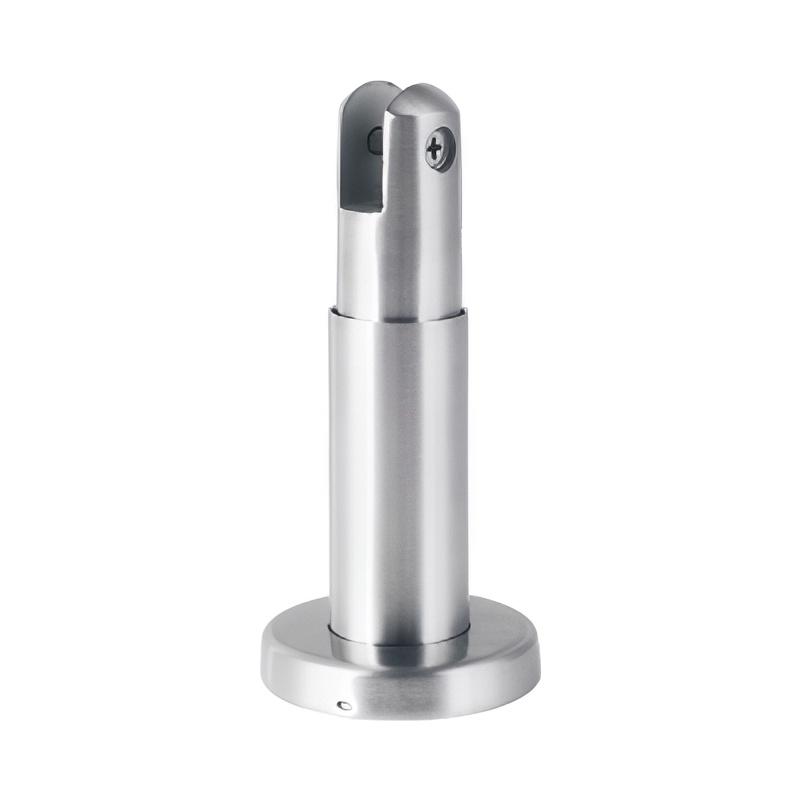
Table of Contents
- 1. Understanding the Installation Logic of a Glass Shower Panel
- 2. Preparing the Wall, Floor, and Measurement Points
- 3. Positioning the Glass Panel Before Fixing
- 4. Fixing Methods and Hardware Selection
- 5. Managing Clearances and Sealing Correctly
- 6. Stability Checks and Structural Support
- 7. Final Inspection and Functional Testing
- Conclusion
1. Understanding the Installation Logic of a Glass Shower Panel
Before fitting begins, it is important to understand that a glass shower panel is not designed to be load-bearing. The glass itself should never compensate for uneven walls, floors, or structural movement. Instead, stability comes from hardware that holds the panel in position while isolating it from stress.
A properly fitted glass shower panel depends on three core principles: vertical alignment, controlled clearance, and even load distribution. The panel must stand plumb, maintain consistent spacing from surrounding surfaces, and be supported by hardware that absorbs minor movement. This approach reduces the risk of cracking and ensures the enclosure performs reliably over time.
2. Preparing the Wall, Floor, and Measurement Points
Preparation is the foundation of a successful installation. Even the highest-quality glass panel will perform poorly if fitted against uneven surfaces.
Key preparation steps include:
Verifying that walls are structurally sound and finished
Checking floor level and slope toward the drain
Measuring height and width at multiple points
Confirming glass thickness matches hardware specifications
Walls and floors are rarely perfectly square. Measuring at the top, middle, and bottom ensures that any variation is accounted for during fitting. Professional installers rely on hardware adjustment rather than forcing glass into an imperfect opening.
3. Positioning the Glass Panel Before Fixing
The glass panel should be dry-fitted before permanent fixing. This allows alignment to be checked without stress on the glass.
During positioning, the panel is placed into its intended location using spacers to create consistent clearance at the bottom and sides. These spacers ensure the glass does not make direct contact with tiles or stone surfaces. The panel is then checked for plumb using a level.
At this stage, minor adjustments are expected. Hardware systems designed for glass partitions, such as those in the DALILAI Toilet Cubicle Hardware range, allow for micro-adjustments that correct alignment without repositioning the glass itself.
4. Fixing Methods and Hardware Selection
Glass shower panels are typically fixed using wall profiles, clamps, or brackets. The choice depends on the enclosure design and desired visual effect.
| Fixing Method | Visual Effect | Adjustment Capability | Typical Use |
|---|---|---|---|
| Wall profile | Minimal framing | High | Fixed side panels |
| Glass clamp | Exposed hardware | Moderate | Walk-in showers |
| Support arm | Open appearance | Directional | Tall panels |
Regardless of method, the goal is the same: secure the glass without creating pressure points. Hardware should grip the glass evenly and include protective gaskets to prevent metal-to-glass contact.
5. Managing Clearances and Sealing Correctly
Clearance is a functional requirement, not an installation flaw. Proper spacing allows for expansion, drainage, and sealing effectiveness.
Typical clearance practices include:
A small gap at the bottom edge for water deflection
Side gaps sealed with transparent seals rather than rigid contact
Consistent spacing along vertical edges
Seals are applied after fixing, not before. This ensures they fill gaps naturally rather than being compressed excessively. Hardware systems that integrate sealing solutions reduce installation error and improve long-term performance.
6. Stability Checks and Structural Support
Once the panel is fixed, stability must be confirmed. The glass should feel firm but not rigidly Locked in place.
Checks at this stage include:
Gentle lateral pressure to confirm controlled movement
Inspection of clamps or profiles for even contact
Verification that support arms are correctly tensioned
Glass panels over a certain height often require additional support arms to prevent flex. These supports are not decorative; they play a critical role in distributing load and maintaining alignment.
7. Final Inspection and Functional Testing
After fitting, the shower panel should be inspected visually and functionally before regular use.
Final checks include:
Confirming vertical alignment remains true
Ensuring seals sit evenly without gaps
Running water to observe splash containment
Checking that no glass edge contacts hard surfaces
Any issue identified at this stage should be corrected immediately. Minor misalignment is easier to fix before seals settle and hardware is fully tightened.
Conclusion
Fitting a glass shower panel is a balance between precision and flexibility. The glass must be aligned accurately, supported securely, and isolated from structural stress through controlled clearances. Tight fitting in the traditional sense is neither required nor recommended. Instead, professional installation relies on well-engineered hardware, accurate measurement, and careful adjustment. By using systems such as DALILAI toilet cubicle hardware, installers can achieve clean aesthetics, reliable water containment, and long-term safety without compromising the integrity of the glass.