

SUS304 vs SUS316 Glass Door Handle
When selecting a Glass Door Handle, the stainless steel grade directly affects corrosion resistance, service life, and suitability for different installation environments. SUS304 and SUS316 are the two most commonly specified materials for glass door handles. Understanding their material differences helps buyers make a correct and cost-effective decision for residential, commercial, and project-based applications.
DALILAI offers glass door handles in both SUS304 and SUS316 materials to meet different environmental and project requirements through the Glass Door Handle product range.
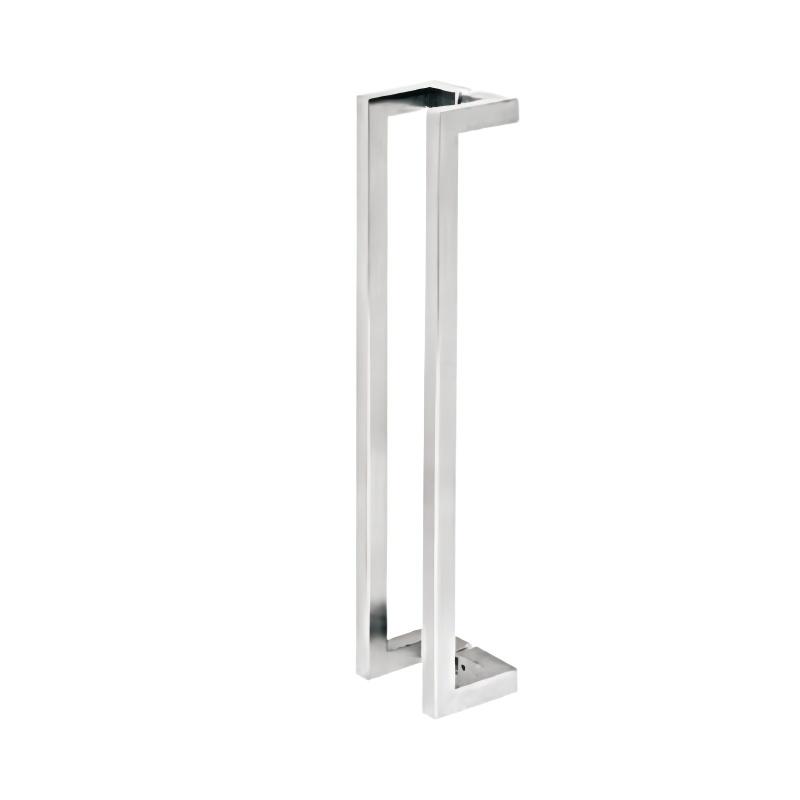
Table of Contents
Core material differences between SUS304 and SUS316
SUS304 and SUS316 are both austenitic stainless steels, but their alloy composition leads to clear performance differences in real-world use.
SUS304 material characteristics
SUS304 is the most widely used stainless steel for architectural hardware. It offers strong resistance to general corrosion, stable mechanical strength, and reliable performance in normal indoor environments. For glass door handles installed in offices, shopping malls, residential buildings, and standard bathrooms, SUS304 maintains structural integrity and appearance when proper cleaning is applied.SUS316 material characteristics
SUS316 contains additional alloying elements that significantly improve resistance to corrosion caused by salt, chlorine, and harsh chemicals. This makes it more suitable for demanding environments such as coastal buildings, poolside areas, spas, and high-humidity commercial spaces. SUS316 reduces the risk of pitting corrosion and surface degradation over long-term exposure.
Material performance comparison
| Item | SUS304 Glass Door Handle | SUS316 Glass Door Handle |
|---|---|---|
| Corrosion resistance | Strong for indoor environments | Enhanced resistance for harsh conditions |
| Salt and chlorine exposure | Limited resistance | High resistance |
| Humid environment suitability | Good with ventilation | More stable in long-term humidity |
| Typical application | Offices, retail, residential | Coastal, pool, spa, marine projects |
| Service life expectation | Long in normal conditions | Longer in aggressive environments |
| Material cost | More economical | Higher due to alloy content |
When SUS304 is the right material choice
SUS304 is suitable when the installation environment is controlled and corrosion risk is low. Typical use cases include:
Interior glass doors in offices and commercial buildings
Residential glass doors with normal humidity levels
Retail and public interiors without chemical exposure
Large projects requiring cost-efficient standardization
In these scenarios, SUS304 provides reliable durability without unnecessary material cost.
When SUS316 is the better material choice
SUS316 should be selected when the environment increases corrosion risk and long-term appearance stability is critical. Typical use cases include:
Coastal and seaside buildings
Poolside, spa, and wellness facilities
High-humidity bathrooms with limited ventilation
Public facilities using strong disinfectants
For these conditions, SUS316 helps extend service life and reduce maintenance issues.
Common questions buyers ask when comparing SUS304 and SUS316
1. Will SUS304 rust in a bathroom
SUS304 usually performs well in bathrooms, especially when ventilation is good and the handle is wiped regularly. Problems often appear when water spots remain for long periods and strong cleaners are used frequently. If the bathroom is highly humid and poorly ventilated, SUS316 reduces long-term risk.
2. Is SUS316 always better
SUS316 is stronger against harsh corrosion conditions, but it may not be necessary in standard indoor projects. If the environment is normal and cost control matters, SUS304 can be the better overall decision. The correct answer depends on exposure, cleaning chemicals, and how long the surface must remain flawless.
3. Which grade is better for coastal hotels
For doors exposed to coastal air or positioned near outdoor entrances, SUS316 is typically the safer option. Salt exposure can gradually damage surfaces over time, and using SUS316 helps reduce future maintenance issues and appearance complaints.
4. Does polished finish mean better quality
Polish is a surface effect, not a quality grade by itself. A well-made satin handle can be just as high-quality as a polished one. The better finish is the one that fits your cleaning plan and the visual style of the project.
5. Can you mix SUS304 and SUS316 within one project
Yes, and it can be a cost-effective strategy. Use SUS316 in zones exposed to salt, chlorine, or harsh cleaning, and use SUS304 in standard indoor areas. This approach maintains reliability while controlling project cost.
Why DALILAI is a practical partner for project buyers
For project procurement, the material choice is only valuable if the supplier can execute consistently, support customization, and respond quickly during coordination. DALILAI is positioned for project supply with long-term manufacturing experience, responsive service, and export-oriented cooperation.
Material options aligned to project environments
DALILAI provides SUS304 and SUS316 options for glass door handles so buyers can match grade to exposure conditions without forcing a single specification across all doors.Surface flexibility for design alignment
Satin and polished surfaces support different architectural styles and cleaning plans, helping buyers keep a consistent look across large projects.OEM and ODM support for project consistency
For hotel, commercial, and public building projects, consistent sizing, packaging, and specification control are critical. DALILAI supports OEM and ODM requests to help unify hardware standards across a project.Export experience and responsive coordination
For overseas buyers, fast communication and stable support reduce procurement risk. DALILAI provides 24 hour customer service and supports long-term cooperative clients, which is valuable during sampling, confirmation, and production stages.
If you want to align material grade, finish, and project requirements in a single sourcing step, start with the DALILAI Glass Door Handle product page and specify whether the project needs SUS304 or SUS316, plus your preferred satin or polished finish.
Conclusion
SUS304 and SUS316 glass door handles differ mainly in corrosion resistance and environmental suitability. SUS304 is ideal for most indoor applications where conditions are stable and cost control is important. SUS316 is the preferred choice for harsh environments where moisture, salt, or chemicals are present.
Choosing the correct stainless steel grade ensures long-term performance, consistent appearance, and reduced maintenance costs. DALILAI provides both SUS304 and SUS316 glass door handle solutions to support residential, commercial, and project-based requirements.