

How To Choose A Sliding Glass Door Handle?
A sliding Glass Door Handle is more than a grip. It is the control point for daily access, a safety interface for Locking, and a finishing detail that affects how the whole door system feels and performs. If the handle is mismatched to door thickness, lock style, or usage intensity, the result is common: loose mounting, misaligned latch engagement, hard sliding operation, premature surface wear, and complaints after installation. This guide explains how to choose a sliding glass door handle with practical checkpoints, and how DALILAI supports project buyers with consistent quality and OEM/ODM supply through the Sliding Door Handle range.
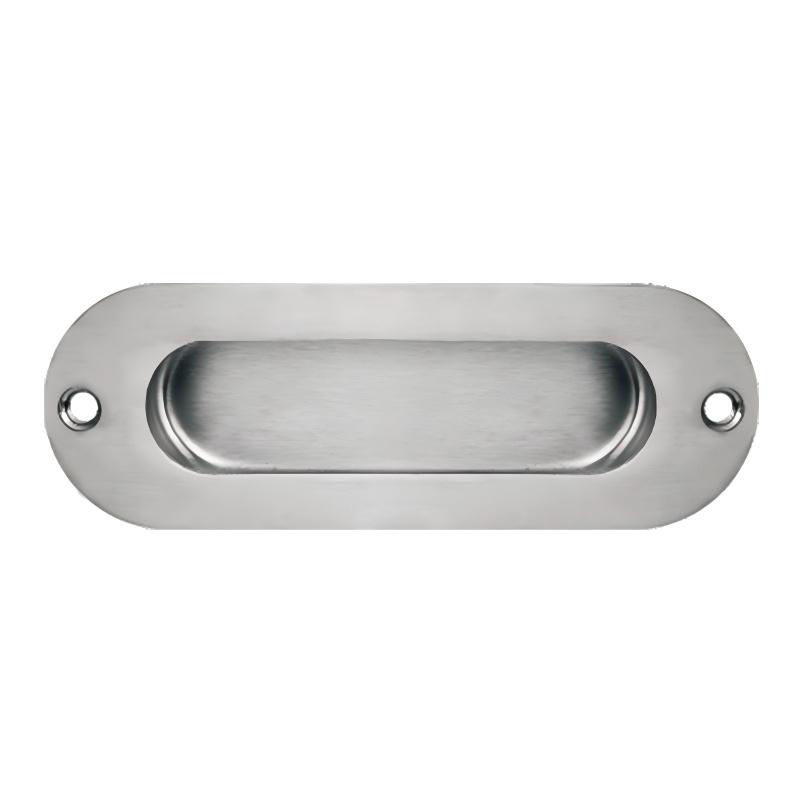
Table of Contents
- Start with the door system, not the handle style
- Fit and compatibility checks that prevent installation issues
- Material choice affects corrosion risk and long-term appearance
- Ergonomics and daily use factors that buyers often overlook
- Project procurement checklist for consistent supply
- Common selection mistakes and how to avoid them
- Why DALILAI is a practical supplier for sliding door handle sourcing
- Conclusion
Start with the door system, not the handle style
Before comparing designs, confirm how the sliding door operates. Sliding glass doors are usually part of a complete system: track, rollers, panel frame, lock case, strike, and handle set. The handle must match that system so that installation is straightforward and long-term performance stays stable.
Key questions to confirm early:
Is it a single sliding panel or multiple panels
Is the lock function required, and what locking method is used
Is the handle mounted through a frame profile or directly through glass-related hardware
How many cycles per day will the door experience in real use
When buyers define these conditions first, the handle selection becomes a controlled decision rather than a decorative guess.
Fit and compatibility checks that prevent installation issues
The most common problems in sliding handle selection come from fit mismatch. These checks reduce rework risk.
1. Confirm mounting method and hole alignment
Sliding door handles are usually fixed by through-bolts or concealed screws. The door profile and existing hole spacing determine what can be installed without modification. If you are replacing an existing handle, measure the center-to-center hole distance and check whether the new handle supports the same layout.
Recommended practice for replacement projects:
Measure hole center distance
Measure available backplate length and clearance
Confirm if the screw heads must be concealed
Confirm whether the handle must align with an existing lock case
For new projects, the goal is standardization: choose a handle series that can keep the same hole layout across multiple door sizes and units, so installers do not need to adjust drilling per batch.
2. Match handle depth to door clearance
A sliding door handle must avoid interference with the frame or adjacent panel. Handle projection and backplate thickness matter in tight installations. If the handle protrudes too far, it can rub or block panel overlap. If it is too shallow, grip comfort and control feel suffer.
When selecting, check:
Maximum allowed projection into the sliding path
Clearance to frame and adjacent panel edge
Space required for locking thumb-turn or key cylinder if used
3. Verify lock function requirements
Some projects need a simple pull handle, others require privacy locking, keyed entry, or integration with a mortise lock system. Selection should be based on what the building actually needs.
Common lock scenarios:
Interior sliding partitions: often non-keyed privacy
Commercial corridors: may require keyed or access control integration
Balcony or patio doors: typically need secure locking and strong resistance to wear
A handle that supports the correct lock configuration reduces future retrofit cost and improves user satisfaction.
Material choice affects corrosion risk and long-term appearance
For sliding glass doors, surface stability matters because the handle is touched frequently. Stainless steel is commonly chosen for its strength and corrosion resistance, especially in humid, coastal, or high-traffic environments.
DALILAI provides stainless steel material options such as SUS304 and SUS316 for different project environments. A practical way to decide is to treat the environment as the main driver.
| Installation environment | Recommended material direction | Reason to prioritize |
|---|---|---|
| Standard indoor offices, retail interiors, residential interiors | SUS304 | Reliable corrosion resistance under normal indoor cleaning |
| High humidity areas, poorly ventilated bathrooms near sliding partitions | SUS316 | Better long-term stability under moisture exposure |
| Coastal buildings, seaside hotels, salt-air exposure | SUS316 | Stronger resistance to chloride-related corrosion |
| Frequent disinfectant cleaning in public facilities | SUS316 | Reduced risk of surface deterioration over time |
Material choice is not only about rust prevention. It also affects how long the handle keeps a consistent finish without pitting, staining, or dull patches in demanding conditions.
Ergonomics and daily use factors that buyers often overlook
Many handle discussions focus on appearance, but the user experience is what generates repeat orders and reduces project complaints.
Grip shape and control
A sliding glass door requires both pulling and stabilizing motion. A handle with an ergonomic curve and stable grip zone makes opening smoother, especially for children, elderly users, and high-traffic spaces.
Look for:
A grip section that supports full-hand control
Edges that feel smooth without sharp transitions
A backplate shape that spreads load and prevents loosening
Noise and vibration feel during operation
If the handle is thin, loose, or poorly balanced, users feel vibration and hear rattling when sliding. Even if the track system is good, a weak handle makes the door feel cheap. Selecting a handle with stable mounting design improves perceived quality immediately.
Project procurement checklist for consistent supply
For hotel, commercial, and public building projects, selecting the handle is only half the work. Execution consistency is what determines whether the project stays on schedule.
Use this checklist when sourcing sliding glass door handles in volume:
Confirm consistent sizing across production batches
Confirm packaging method that protects finish and prevents scratches
Confirm sample approval process and tolerance control points
Confirm lead time planning for large orders and staged delivery
Confirm OEM/ODM support for branding, backplate adjustments, and packaging requirements
DALILAI supports OEM and ODM cooperation for project buyers, enabling consistent specification control, stable production coordination, and practical customization for large orders.
Common selection mistakes and how to avoid them
Choosing by appearance alone
A handle may look correct in photos but fail in real installation if the hole layout and door profile do not match. Always confirm mounting and clearance first.
Over-specifying material without environmental need
SUS316 is valuable in harsh conditions, but many standard indoor projects can use SUS304 effectively with correct maintenance and cleaning habits. The correct choice is the one that matches the exposure level.
Ignoring user frequency
A sliding door in a hotel corridor and a sliding door in a private residence have completely different cycle demands. Higher frequency requires better structural stability and long-term finish durability.
Why DALILAI is a practical supplier for sliding door handle sourcing
Sliding glass door handle procurement is smoother when the supplier can deliver stable execution, support customization, and communicate efficiently during sampling and production.
DALILAI supports project buyers through:
Stainless steel handle solutions designed for sliding door applications
Material options suitable for different environments, including SUS304 and SUS316
OEM/ODM capability for project consistency in sizing, packaging, and specification
Export-oriented cooperation and responsive coordination for overseas buyers
Explore the DALILAI Sliding Door Handle range here: Sliding Door Handle
Conclusion
Choosing a sliding glass door handle is a decision about compatibility, durability, and long-term user experience. Start with the door system and installation conditions, verify mounting and clearance, confirm lock function needs, and match stainless steel grade to the environment. For projects, add consistency checks for sizing, packaging, and production control so large orders stay reliable.
DALILAI provides sliding door handle solutions with stainless steel material options and OEM/ODM support, helping buyers align door requirements, installation efficiency, and project-level consistency in one sourcing step.