

How To Replace A Sliding Door Lock?
Replacing a sliding door Lock is one of the fastest ways to restore security, improve daily usability, and reduce recurring alignment problems. Most replacement failures come from choosing the wrong lock type, ignoring door thickness and backset details, or reinstalling without correcting the door-to-frame alignment. This guide explains a practical replacement process that works for common sliding doors, and how DALILAI supports reliable selection and project-level consistency through the Lock product range.
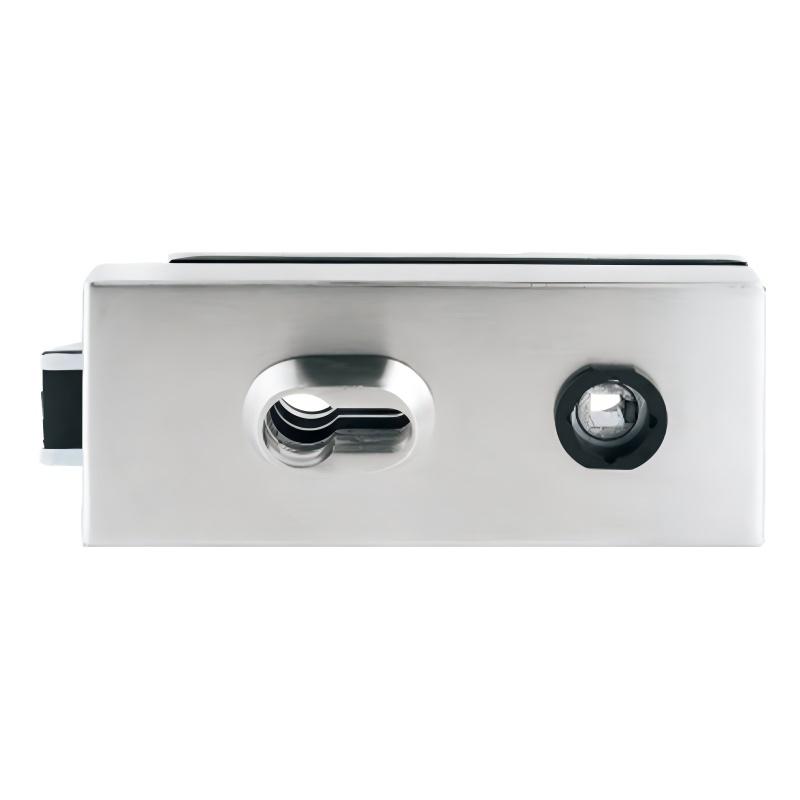
Table of Contents
- Identify the sliding door lock type before you remove anything
- Tools and parts you should prepare
- Measure the key dimensions that determine compatibility
- Step-by-step: replacing a sliding door lock
- Step 1. Secure the door and check alignment first
- Step 2. Remove the handle trim and fasteners carefully
- Step 3. Remove the lock body from the door edge
- Step 4. Compare the new lock with the old lock before installing
- Step 5. Install the new lock body and confirm smooth movement
- Step 6. Check strike alignment and adjust if needed
- Step 7. Final tightening and functional test
- Troubleshooting: common problems after replacement
- Quick selection table for replacement planning
- Why DALILAI supports easier lock replacement and project consistency
- Conclusion
Identify the sliding door lock type before you remove anything
Sliding doors use different lock structures, and the correct replacement starts with recognizing what you have. If you remove the old lock first, you may lose key measurements that determine compatibility.
Common sliding door lock categories include:
Mortise-style sliding door lock
The lock body sits inside the door profile, usually accessed from the door edge. This is common on aluminum-framed sliding doors and many commercial installations.Handle-integrated lock set
The lock mechanism is built into a handle set or interacts closely with it. Replacing only the lock may require confirming handle hole spacing and the lock case interface.Hook bolt or latch bolt style
Many sliding systems use a hook bolt that grabs the strike plate. Others use a latch-style engagement. Replacing hook with latch or the reverse usually causes strike misalignment.
If you are sourcing for a project or multiple doors, the best approach is standardization: confirm one compatible lock specification that fits the most common door profiles to reduce installation variation.
Tools and parts you should prepare
Most replacements are straightforward if you prepare the correct items in advance.
Typical tools:
Screwdriver set
Tape measure
Marker or masking tape for marking alignment
Small flashlight for viewing the door edge cavity
Allen key set if a handle set includes concealed fasteners
Parts to confirm:
New sliding door lock body or lock set
Strike plate or keeper compatible with the new lock
Matching screws suitable for the door material and thickness
Optional cylinder or thumb-turn if the lock includes keyed functions
If the door is in a humid or coastal environment, stainless steel selection becomes more important for long-term performance and appearance stability.
Measure the key dimensions that determine compatibility
Sliding door locks fail at replacement because buyers confirm only the exterior appearance. The lock body dimensions and engagement geometry matter more.
Measure and record these items:
1. Door thickness and profile space
A lock must fit the internal cavity of the door profile. Door thickness also affects screw length and whether a cylinder can pass through correctly.
2. Backset and faceplate size
Backset is the distance from the edge of the door to the centerline of the lock mechanism. If backset changes, the handle alignment and latch engagement can shift.
Faceplate size and screw positions should match the door edge cutout or require controlled modification.
3. Lock engagement style and strike position
Confirm whether your current lock uses:
Hook engagement
Latch engagement
Multi-point engagement
Then measure the position of the strike on the frame. Even small differences can cause the lock to feel stiff or fail to catch.
4. Existing hole spacing if the lock is handle-related
If the lock interacts with a handle, confirm hole spacing and mounting layout so the new lock does not force re-drilling.
Step-by-step: replacing a sliding door lock
Step 1. Secure the door and check alignment first
Before disassembly, slide the door closed and observe:
Does the door meet the frame evenly
Does the lock engage cleanly or require lifting or pushing
Is there visible sagging or roller wear
If the door is misaligned, replacing the lock alone may not solve the problem. A new lock will still struggle to engage if the door does not close consistently.
Step 2. Remove the handle trim and fasteners carefully
Many sliding doors have interior trim plates that hide screws. Remove them slowly to avoid scratching finishes.
If the lock is part of a handle set, loosen and remove the mounting screws, then separate the interior and exterior handle parts.
Keep all parts in order so you can compare layout during installation.
Step 3. Remove the lock body from the door edge
For mortise-style locks:
Remove the edge screws holding the faceplate
Pull the lock body out of the door cavity
Observe the orientation of the bolt or hook
Take a clear photo before removal. This helps you confirm direction and alignment when installing the new lock.
Step 4. Compare the new lock with the old lock before installing
Place the old and new lock side by side and compare:
Faceplate height and width
Screw hole positions on the faceplate
Backset alignment
Bolt or hook position relative to the faceplate
Cylinder or thumb-turn alignment, if used
If any of these differ, plan adjustments before installing. Forced installation is the top cause of loose hardware and early failure.
Step 5. Install the new lock body and confirm smooth movement
Insert the new lock body into the door cavity. Tighten screws gradually, alternating sides to keep the faceplate straight.
Test the lock movement with the door open:
The bolt or hook should extend and retract smoothly
There should be no grinding or sticking
The thumb-turn or key cylinder should rotate without resistance
If movement feels tight with the door open, correct the seating before you close the door.
Step 6. Check strike alignment and adjust if needed
Close the door gently and test engagement. If the lock does not catch:
Mark the contact point on the strike plate
Check whether the strike is too high, too low, or too far inward
Adjust the strike position or replace it with a compatible keeper
In many cases, a lock replacement requires a new strike because bolt geometry can vary between designs. A correct strike fit reduces wear and improves the secure feel.
Step 7. Final tightening and functional test
Once alignment is correct:
Tighten all screws firmly but avoid over-torquing
Test lock engagement 10 to 15 times
Confirm smooth unlocking from both sides
Confirm the door slides without rubbing after installation
For projects, repeatability matters. Using a consistent lock model across doors reduces installation variance and speeds up maintenance.
Troubleshooting: common problems after replacement
Lock feels stiff when closing
This is often strike misalignment or door sag. Adjust strike placement and check rollers.
Lock engages but door still feels loose
Check whether the strike keeps the door tight against the frame. A better-fitted keeper often improves stability.
Key turns but bolt does not move fully
This can happen when the lock body is not seated correctly or the cylinder length does not match door thickness.
Screws loosen over time
This often indicates improper screw length for the profile or insufficient load distribution. Consistent hardware selection and correct mounting method reduce this issue.
Quick selection table for replacement planning
| Replacement checkpoint | What to verify | Why it matters |
|---|---|---|
| Lock type | Mortise, handle-integrated, hook or latch | Prevents wrong engagement style |
| Backset | Edge to lock centerline | Affects fit and alignment |
| Door thickness | Overall thickness and cavity depth | Determines cylinder and screw fit |
| Faceplate size | Height, width, screw layout | Avoids forced installation |
| Strike compatibility | Keeper shape and position | Ensures smooth locking |
| Environment | Indoor, humid, coastal | Guides stainless steel choice |
Why DALILAI supports easier lock replacement and project consistency
For buyers replacing locks across multiple doors, the main requirement is consistent execution: accurate manufacturing, reliable fit, and stable supply coordination.
DALILAI supports procurement through:
A focused lock product range suitable for Sliding Door Hardware systems
Stainless steel options designed for long service life in demanding environments
OEM and ODM capability for consistent sizing, packaging, and specification control
Export-oriented coordination that supports sampling confirmation and production planning
View the DALILAI lock range here: DALILAI Lock
Conclusion
Replacing a sliding door lock is successful when the new lock matches the door system, the key dimensions are confirmed in advance, and strike alignment is corrected during installation. The best results come from a controlled process: identify the lock type, measure backset and door thickness, compare old and new components before installation, and test engagement repeatedly after adjustment.
DALILAI provides sliding door lock solutions with stable manufacturing and OEM/ODM support, helping buyers improve security, reduce installation rework, and maintain consistent hardware standards across residential and commercial projects.