

How Does Sliding Door Hardware Work?
Sliding Door Hardware works by converting the door’s weight and movement into a controlled, low-friction glide along a defined path. Instead of relying on hinges, a sliding system carries the load through rollers and a track, while guidance and limit-control parts keep the door stable, aligned, and safe across repeated cycles. When the hardware is engineered as a complete set, the door stays smooth, quiet, and consistent, even under frequent use or heavier panel weights.
DALILAI focuses on complete system matching, so the track profile, roller geometry, bearing behavior, and guiding structure work together under real installation tolerances. That system approach is the foundation of reliable performance for sliding door hardware in residential, commercial, and project-based applications.
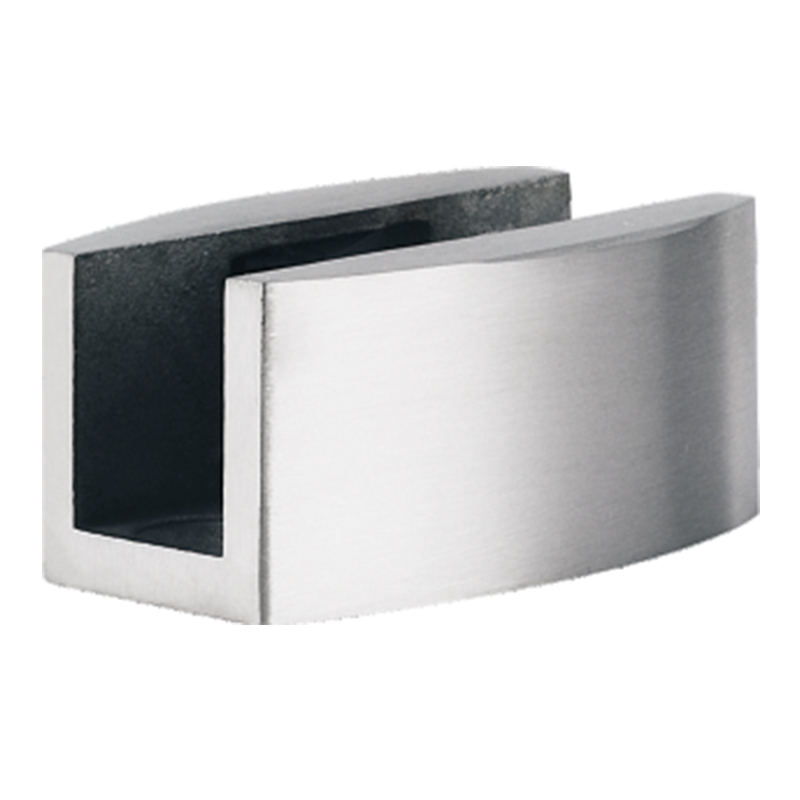
Table of Contents
- 1. The Basic Motion Logic Behind a Sliding Door
- 2. What Each Component Does and Why It Matters
- 3. Top-hung and Bottom-rolling Systems: How They Carry the Load
- 4. Why Sliding Doors Become Noisy or Hard to Move
- 5. How to Judge Hardware Performance in Real Use
- 6. Component Roles and the Issues They Prevent
- 7. How DALILAI Supports Stable Sliding Door Operation
- Conclusion
1. The Basic Motion Logic Behind a Sliding Door
A sliding door moves linearly because its load is transferred to rolling elements. The door’s vertical weight is supported by rollers that rotate along a track surface, reducing friction compared with dragging or rubbing contact. At the same time, guiding components control lateral movement so the door does not swing outward, scrape the wall, or shift away from its intended path.
In real use, the door does not move in perfect laboratory conditions. People push at different heights, stop the door abruptly, or pull it sideways while opening. A well-designed sliding hardware system manages these forces by keeping the load path stable and preventing secondary movement that causes noise, vibration, and wear.
2. What Each Component Does and Why It Matters
Sliding door hardware is not one part. It is a coordinated set where each element controls a specific part of the movement and stability.
Track
The track defines the door’s travel line and provides the running surface for rollers. Track rigidity and straightness determine whether the door glides evenly or develops binding points. On longer openings, track structure becomes even more important because minor deflection can change roller contact behavior and affect smoothness.
Rollers and Bearings
Rollers carry the load and convert it into rolling motion. Bearings determine how stable that rotation remains over time, and how well the system maintains smooth movement when dust, micro-vibration, and repeated cycling accumulate. Poor bearing behavior often shows up first as increased noise, then as inconsistent movement or uneven wear.
Hangers or Carrier Interfaces
These connect the door panel to the roller assembly and control the door’s vertical and positional adjustment. A stable interface prevents tilt and helps maintain even gaps. This is especially important for heavier or taller doors where small angular deviations become noticeable quickly in operation.
Guides
Guides keep the door aligned and prevent side-to-side sway. When guidance is correct, the door stays parallel to the frame or wall through the full travel stroke, which reduces rubbing, protects finishes, and improves the door’s perceived stability.
Stops and Travel Limit Control
Stops define the end positions and prevent over-travel. Without stable limit control, doors can strike the frame, stress the roller set, and gradually shift alignment. Controlled end positioning also improves user experience because the door closes predictably without bounce-back.
Anti-derail Safety Elements
Anti-derail logic prevents the door from lifting out of the track during impact, misuse, or sudden force. This is a key safety layer that protects both the system and the user, especially in higher-traffic environments.
Soft-close Mechanisms
Soft-close systems manage deceleration near the end of travel. By controlling closing speed and final pull-in, they reduce impact force, lower noise, and reduce the long-term stress that can accelerate roller and track wear.
Because these parts interact, performance is strongest when they are designed and supplied as a matched system. That is a core reason project buyers prefer complete solutions such as DALILAI’s sliding door hardware, rather than mixing incompatible components.
3. Top-hung and Bottom-rolling Systems: How They Carry the Load
Sliding door hardware can be configured around different load paths, and the load path affects both performance and installation planning.
Top-hung systems
In a top-hung design, the upper track and roller set carry the primary door load, while the lower guide keeps the panel aligned. This structure can create a clean floor area and a refined appearance, but it also means the upper mounting structure must be stable enough to carry the full working load without flexing.
Bottom-rolling systems
In a bottom-rolling design, the bottom roller set carries most of the load, and the upper guide stabilizes alignment. This can be practical for very heavy doors or where the upper structure is limited. The floor track area should remain clean because debris can influence rolling consistency and noise over time.
Choosing between these approaches depends on door weight, opening width, site structure, and maintenance expectations. A system-level design ensures the load path remains stable across those variables.
4. Why Sliding Doors Become Noisy or Hard to Move
When a sliding door feels rough, the cause is rarely a single part. It is usually a system imbalance between track condition, roller behavior, guidance alignment, and installation geometry.
Common performance drivers include roller bearing quality, track surface consistency, and whether the door’s load is evenly carried. If the door tilts slightly, one roller can carry more load than the other, causing uneven wear and increasing friction over time. If guidance is too tight, the door can rub and create noise. If guidance is too loose, the door can wobble, which increases impact forces and can raise derail risk.
A stable system is one that maintains smooth rolling under small installation deviations and continues to perform after repeated cycles. This is where matched engineering and controlled manufacturing consistency become important, because they reduce variability and keep the door movement predictable across installations.
5. How to Judge Hardware Performance in Real Use
Sliding hardware should be judged by its ability to stay stable under the door’s real working conditions. The first question is whether the system can carry the door weight with enough margin to remain smooth after long-term cycling. That margin matters because wear and minor misalignment are inevitable in real environments, and a system that starts near its limit tends to degrade faster.
The second question is whether the system maintains alignment as the door moves. Stable alignment comes from the relationship between the track, hanger interface, and guiding structure. When these are well-matched, the door remains parallel through the travel stroke, clearances stay consistent, and the movement remains controlled rather than loose or shaky.
The third question is whether the system remains quiet and consistent as usage increases. High-frequency environments place higher demands on bearings, roller materials, and track rigidity. Closing control also matters because impact at end positions can gradually damage running surfaces and loosen interfaces. A system designed to manage end-of-travel forces tends to maintain smoothness longer.
The fourth question is environmental resilience. Humidity, coastal air, and temperature cycling can affect long-term performance if materials and surface treatments are not suited to the conditions. A corrosion-resistant design helps preserve roller rotation quality and prevents friction from rising over time.
These performance-focused factors determine whether the door feels stable and premium, or becomes difficult to use after a period of operation.
6. Component Roles and the Issues They Prevent
Hardware function reference
| Component | What it controls | What it helps prevent |
|---|---|---|
| Track | Travel path stability and running surface | Binding points, vibration noise, alignment drift |
| Rollers and bearings | Load transfer and rotation consistency | Heavy movement, squeaking, uneven wear |
| Hangers or carriers | Door connection and adjustment stability | Door tilt, uneven gaps, rubbing contact |
| Guides | Lateral alignment through the travel stroke | Wobble, sway, edge scraping |
| Stops and limit control | End position behavior | Frame impact, bounce-back, interface shock |
| Anti-derail elements | Safety and retention | Lift-off risk, derail incidents |
| Soft-close | Deceleration and final pull-in | Slamming noise, accelerated wear, closing inconsistency |
7. How DALILAI Supports Stable Sliding Door Operation
A sliding door system performs best when the track, rollers, guidance, and safety logic are designed to work together with consistent manufacturing control. DALILAI develops hardware as a system so motion feel, alignment stability, and long-term durability remain predictable under real installation conditions.
With sliding door hardware, the value for project buyers is stable performance that remains consistent across multiple installations, including smoother operation, reduced noise behavior, controlled end positioning, and safer travel control through anti-derail logic. This system-level consistency helps reduce site re-adjustment frequency and supports a more reliable long-term user experience.
Conclusion
Sliding door hardware works by using a track and roller system to carry the door load and convert it into controlled linear motion, while guides and safety components prevent sway, rubbing, and derailment. The smoothness and durability of a sliding door are determined by how well the track, rollers, hangers, guides, and control devices work together, and how accurately they are installed.
For projects that need consistent performance, selecting a complete, matched hardware system is the most direct way to reduce noise, improve stability, and extend service life. DALILAI’s sliding door hardware is designed to help achieve that predictable balance between smooth operation, safety, and long-term reliability.
Previous: How To Remove Old Door Hardware?