

How To Attach A Handle To A Glass Shower Door?
Attaching a handle to a glass shower door looks simple, but the installation details matter more than most people expect. Shower glass is tempered and cannot be drilled or modified on site without a high risk of breakage. That means the handle must match the existing pre-drilled holes, the glass thickness, and the mounting method designed for wet environments. When the hardware is correctly sized and tightened, the door feels solid, seals properly, and stays quiet over years of daily use. When it is mismatched or overtightened, the glass can chip, the handle can loosen, or stress can build around the holes.
This guide explains how to attach a shower door handle safely and professionally, covering common handle types, hole spacing, gasket setup, tightening sequence, and inspection checkpoints. DALILAI supplies Glass Door Handle solutions for shower doors and glass partitions. You can review options here: glass door handles.
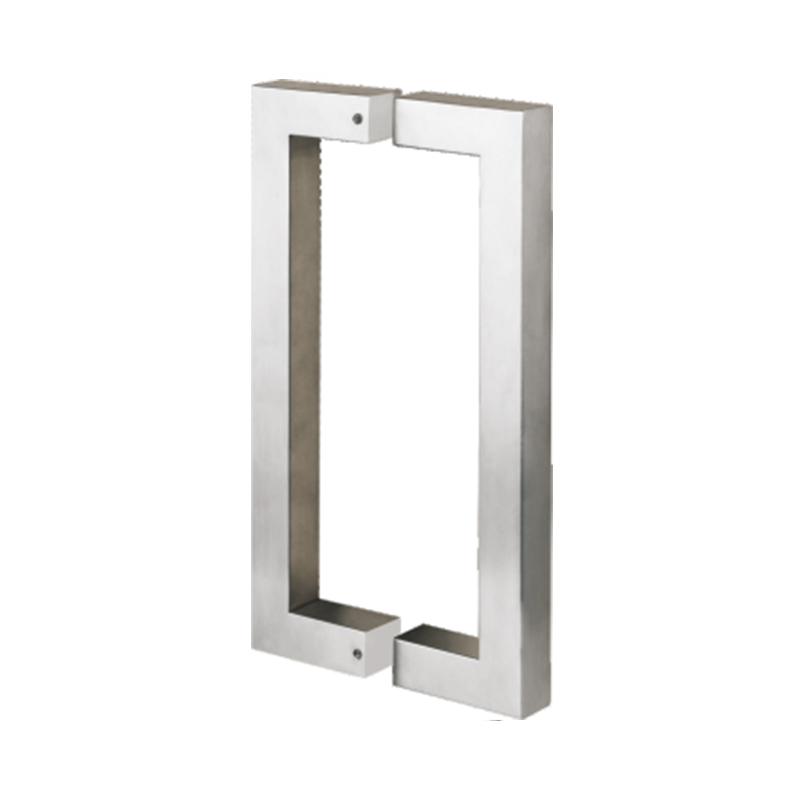
Table of Contents
- Confirm The Door Type And The Correct Handle Style
- Measure Glass Thickness And Hole Spacing Before You Install
- Choose The Right Mounting Hardware And Gaskets
- Prepare The Glass And Work Area
- Step-By-Step Installation Process
- Common Mistakes And How To Avoid Them
- Practical Guidance For Replacement Projects
- Inspection And Maintenance After Installation
- Conclusion
Confirm The Door Type And The Correct Handle Style
Before installation, identify whether the shower door is hinged, pivot, or sliding. The door type affects how the handle will be used and what loads it will experience. A hinged door handle sees pulling and pushing forces. A sliding door often needs a pull handle that provides good grip without interfering with the track.
Handle styles for shower glass commonly include:
Through-bolt pull handles using pre-drilled holes
Single-sided Knobs with a back plate
Ladder-style handles for taller doors and heavier use
Towel-bar combination handles for space-efficient bathrooms
For most shower doors, through-bolt handles are the standard because they clamp through the glass with gaskets that protect the surface. Adhesive-only mounting is generally not recommended for shower doors because moisture and repeated load cycles can weaken adhesion over time.
Measure Glass Thickness And Hole Spacing Before You Install
The most important compatibility factors are glass thickness and hole spacing. Shower doors are often made from 8 mm, 10 mm, or 12 mm tempered glass, and handle sets are designed around these ranges. If the handle hardware is too short, threads may not engage fully. If the hardware is too long, the handle may bottom out before the gaskets compress, leading to a loose fit.
Hole spacing is typically measured center-to-center between the two holes. Do not estimate. Measure precisely, because even small differences can prevent alignment and lead to stress on the glass during installation.
Also check hole diameter. Some handles require a slightly larger hole to allow the bolt sleeve to pass through cleanly. A correct fit should allow the bolt to pass without forcing.
Choose The Right Mounting Hardware And Gaskets
In a wet environment, the gasket system is not optional. Gaskets cushion the glass and distribute load away from the edge of the hole, which reduces stress concentration. They also reduce direct metal-to-glass contact, preventing scratching and micro-chipping.
A typical shower handle hardware stack includes:
Decorative handle bases
Rubber or silicone gaskets on both sides of the glass
Through-bolts with sleeves or spacers depending on design
Threaded inserts or receiving posts
A durable handle system uses corrosion-resistant materials and maintains gasket compression without requiring excessive torque.
Prepare The Glass And Work Area
Clean the glass around the mounting holes thoroughly. Any sand, grout dust, or hardened deposits trapped under a gasket can create point pressure when tightened. In tempered glass, point pressure is risky because it concentrates stress at the hole edge.
Lay soft towels or pads in the shower area to protect the glass if tools slip. If the door is already installed, keep it supported so it does not swing while you align bolts. If the door is off the hinges, place it on a padded stable surface with the holes accessible.
Step-By-Step Installation Process
Align The Handle Components
Place the gasket on one side of the glass, align the handle base, and insert the bolt sleeve if your design uses one. Keep everything centered on the hole. Repeat on the opposite side. The goal is to keep the bolt passing straight through the glass without contacting the hole edge.
Insert The Through-Bolts By Hand
Start the bolts by hand to avoid cross-threading. If the bolt does not thread smoothly, stop and realign. Forcing threads can cause uneven tightening later, which increases stress on the glass.
For two-hole pull handles, start both bolts loosely before tightening either one. This prevents misalignment that can pull one hole against the bolt.
Tighten In A Balanced Sequence
Tighten each bolt gradually, alternating between top and bottom fasteners. The aim is even gasket compression. The handle should seat firmly with no gap, but the gasket should not be crushed.
Overtightening is a common mistake. The handle should not require excessive force to feel stable. If you keep tightening to eliminate a wobble, it usually indicates missing gaskets, incorrect hardware length, or a mismatched hole spacing, not a need for more torque.
Check Alignment And Door Operation
Once tightened, check that the handle is straight and centered. Open and close the door slowly. Confirm the handle does not contact adjacent glass panels, frames, or tiles. For sliding doors, confirm the handle profile does not interfere with the door path.
Common Mistakes And How To Avoid Them
The most frequent installation issues come from mismatched parts or poor gasket setup. These problems are preventable with a quick checklist:
Using a handle that does not match hole spacing
This forces the bolts to pull sideways and increases stress at the holes.Installing without gaskets
Metal-to-glass contact increases the chance of scratching and chipping and can cause loosening over time.Overtightening to compensate for wobble
Excess torque can create point stress and may lead to glass failure.Ignoring glass thickness compatibility
Incorrect bolt length and compression range often causes either looseness or forced tightening.Trapped debris under the gasket
Even small particles can create concentrated pressure points.
Practical Guidance For Replacement Projects
Many shower handle installations are replacements. The most reliable replacement method is to match the new handle to the existing hole spacing and hole diameter. Drilling new holes in tempered shower glass is not practical and is not recommended.
When sourcing replacement hardware, provide:
Glass thickness
Hole spacing center-to-center
Hole diameter
Door type hinged or sliding
Desired handle length and projection
This information allows the handle supplier to recommend the correct configuration without guesswork. For projects with non-standard hole patterns or special aesthetic requirements, a custom glass door handle specification can reduce installation risk and ensure proper fit.
DALILAI offers a range of glass door handle designs suitable for shower doors, including options that support stable mounting and long-term use.
Inspection And Maintenance After Installation
After installation, recheck the handle after several days of normal use. Gaskets can settle slightly, especially if the bathroom experiences temperature changes. If the handle loosens, tighten gently in small increments. Avoid repeated heavy tightening, which suggests an underlying fit issue.
Routine cleaning also matters. Use non-abrasive cleaners to avoid damaging finishes and gaskets. Keeping the handle dry after cleaning helps preserve appearance and reduces mineral buildup at the base.
Conclusion
Attaching a handle to a glass shower door requires correct matching of hole spacing, glass thickness, and gasketed mounting hardware. The safest installation approach uses through-bolt handles designed for tempered glass, installed with clean gaskets, balanced tightening, and careful alignment. When these steps are followed, the handle remains stable, the glass stays protected, and the shower door performs smoothly over the long term.
If you are sourcing handles for a renovation project, a multi-unit build, or a custom shower enclosure, DALILAI can support your selection. Share your glass thickness, hole spacing, and door type, and we can recommend durable handle options and provide practical installation guidance to help you achieve a secure, professional finish.