

How To Tighten A Loose Sliding Glass Door Handle?
A loose sliding Glass Door Handle is more than an annoyance. It can cause misaligned latching, noisy operation, premature wear on the Lock body, and in some cases chipped glass around the mounting holes if the handle shifts under load. The good news is that most sliding glass door handles loosen for predictable reasons, and the fix is usually straightforward as long as you tighten the correct parts in the right sequence.
This guide explains how to tighten a loose sliding glass door handle safely and professionally. It covers the most common handle constructions, the right tools, how to diagnose what is actually loose, and how to prevent the problem from coming back. DALILAI supplies a range of Sliding Door Handle solutions for glass doors and partitions. You can view options here: sliding door handles.
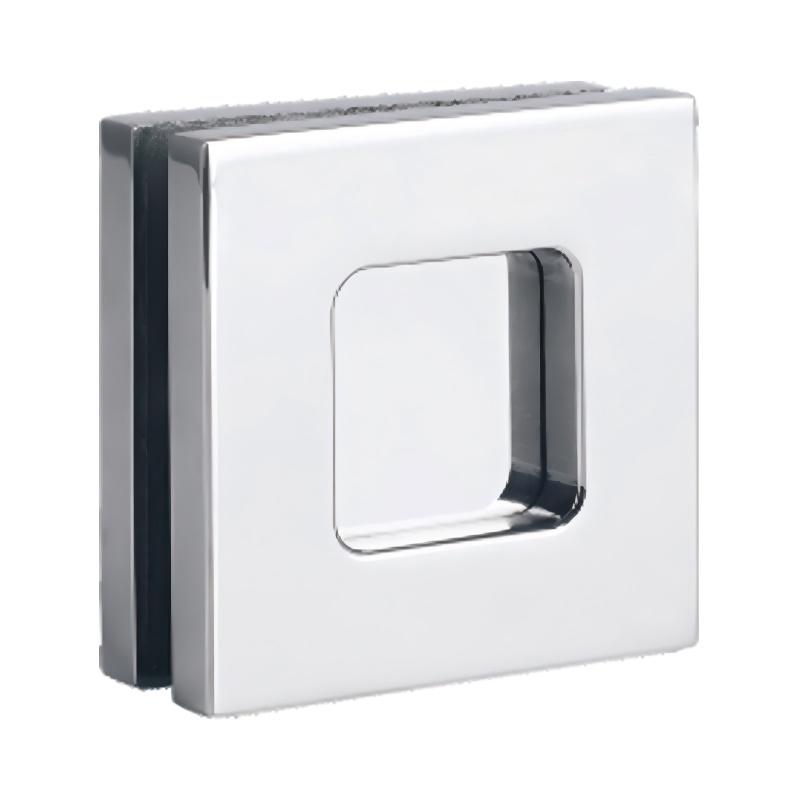
Table of Contents
- Understand Why Sliding Glass Door Handles Become Loose
- Identify Your Handle Mounting Style Before Tightening
- Prepare The Door And Work Area
- Tools You Typically Need
- Step-By-Step: How To Tighten A Loose Sliding Glass Door Handle
- When Tightening Does Not Work
- Prevention: Keep The Handle Tight Long Term
- Quick Diagnostic Table For Loose Handle Symptoms
- Conclusion
Understand Why Sliding Glass Door Handles Become Loose
Sliding door handles experience repeated push pull forces, but unlike hinged doors, the user often pulls from different angles while the door moves along its track. Over time, vibration, temperature cycles, and gasket compression can reduce clamping force. In humid environments, slight corrosion on fasteners can also affect how the handle holds tension.
Most loosening falls into four categories:
Fasteners have backed out slightly from vibration and daily use
Gaskets or spacers have compressed, reducing clamping pressure
The handle body is shifting because the mounting holes are oversized or misaligned
Threads are stripped or the internal receiver has worn, so tightening does not hold
The goal is to identify which category applies before applying more torque. Overtightening is a common mistake, especially on glass-mounted handles, because glass does not tolerate uneven point stress.
Identify Your Handle Mounting Style Before Tightening
Sliding glass door handles are commonly installed using one of these mounting methods.
Through-Bolt Handles With Two-Sided Posts
This is the most common style. The handle uses bolts that pass through the door and tighten into threaded posts on the opposite side. When loose, you may feel movement on both sides of the door.
Set-Screw Handles
Some handle designs use a visible or hidden set screw to clamp the handle onto a mounting post. When the set screw loosens, the handle can rotate or slide even if the main post is tight.
Backplate And Lock-Integrated Handles
On some sliding systems, the handle is part of a lock assembly with a backplate. Looseness may come from the lock body screws rather than the handle grip itself.
A quick inspection helps you decide what to tighten. Look for small hex set screws near the base. Check whether the handle has visible screw heads or a removable cover hiding the fasteners.
Prepare The Door And Work Area
Before tightening, stabilize the door. A sliding panel moves easily, and movement while tightening can cause tools to slip. Slide the door to a comfortable working position and keep it from rolling by holding it or lightly bracing it.
Clean around the handle bases. Dust and grit trapped under trim pieces can scratch glass or prevent parts from seating correctly. If the handle uses decorative caps, remove them carefully to avoid bending.
If the handle is installed directly on glass, check for gaskets or soft washers. These components should be present and intact. Missing gaskets often cause recurring looseness because metal-to-glass contact cannot maintain stable compression.
Tools You Typically Need
Most tightening jobs require only basic tools, but the correct bit matters to avoid stripping.
Phillips screwdriver or flathead, depending on screw head
Allen key for set screws if present
Small adjustable wrench for certain post styles
Soft cloth to protect finishes and glass
Medium-strength threadlocker if appropriate for metal-to-metal threads
Avoid high-strength threadlocker for handles that may need regular service. A practical maintenance approach should allow future adjustment without heat or force.
Step-By-Step: How To Tighten A Loose Sliding Glass Door Handle
Step 1: Check Whether The Handle Grip Or The Base Is Loose
Hold the base near the mounting point and try to move the handle. If the base shifts, the through-bolts or lock screws are likely loose. If the base is firm but the grip rotates, the set screw or internal clamp is the issue.
This step prevents tightening the wrong component and leaving the real problem unsolved.
Step 2: Tighten Through-Bolts Evenly
If your handle uses through-bolts, start by tightening each bolt a small amount, alternating between top and bottom. This keeps pressure balanced and reduces stress on the glass.
Tighten until the handle no longer moves, then stop. The goal is firm seating with gasket compression, not maximum torque. If you feel resistance suddenly increase while the handle is still loose, stop and inspect for misalignment or missing spacers.
Step 3: Secure Set Screws If Present
If the handle has set screws, tighten them after the main posts are secure. Set screws often loosen first because they are small. Use the correct Allen key size and apply steady pressure. If the screw head is stripped, replacement may be necessary.
Set screws should be snug enough to prevent rotation but not so tight that they deform the post or damage the finish.
Step 4: Inspect Gaskets And Spacers
If the handle loosens repeatedly, the gaskets may be compressed or missing. Replace worn gaskets with the correct thickness. A gasket that is too thin can cause the handle to bottom out on metal components before the glass is clamped properly. A gasket that is too thick may prevent full thread engagement.
This is one of the most overlooked reasons sliding glass door handles keep loosening even after tightening.
Step 5: Apply Threadlocker Only When Appropriate
If bolts repeatedly back out, a medium-strength threadlocker can help, but only on metal-to-metal threads. Do not allow liquid threadlocker to contact gaskets or glass edges. Use a small amount and allow it to cure according to the product instructions before heavy use.
In commercial spaces or high-traffic installations, this step can improve reliability without changing the handle design.
When Tightening Does Not Work
If you tighten the fasteners and the handle still moves, the issue may be structural rather than procedural.
Common causes include:
Stripped threads in the receiver post
Cracked or deformed handle base components
Oversized holes in the door that allow shifting
Glass damage around the hole edge that prevents stable seating
Lock body distortion pulling the handle out of alignment
In these cases, continuing to tighten can increase risk of glass stress. Replacement parts or a different handle configuration may be needed.
For retrofit projects, matching hole spacing, door thickness, and hardware stack height is essential. If the existing pattern is non-standard, a custom sliding door handle set can eliminate fitting compromises and provide a cleaner long-term solution.
DALILAI provides multiple sliding door handle options for glass door projects, including configurations suitable for replacement and new installation.
Prevention: Keep The Handle Tight Long Term
A loose handle is often a symptom of vibration and compression settling. Preventive steps reduce repeated service calls:
Recheck fastener tightness after one week of normal use, especially after new installation
Avoid pulling the door by the edge of the handle base, which creates twisting force
Maintain door rollers and track alignment so the door slides smoothly and does not jerk
Clean around handle bases to prevent mineral buildup that can push components out of seating position
For property managers and project buyers, selecting a durable handle design with stable fastener geometry reduces maintenance frequency and improves user experience.
Quick Diagnostic Table For Loose Handle Symptoms
| Symptom | Likely Cause | Best Fix |
|---|---|---|
| Handle wiggles at base | Through-bolts or lock screws loose | Tighten evenly, verify gaskets |
| Handle rotates but base stays firm | Set screw loose | Tighten set screw, check clamp fit |
| Loosens again within days | Bolts backing out or gasket settling | Re-seat gaskets, consider threadlocker |
| Tightening does not hold | Stripped threads or damaged post | Replace post or handle set |
| Visible stress near holes | Misalignment or overtightening | Stop, inspect, replace parts if needed |
This table helps maintenance teams resolve the issue quickly without over-tightening.
Conclusion
Tightening a loose sliding glass door handle starts with identifying what is actually moving, then tightening the correct fasteners in a balanced, controlled way. Through-bolt handles should be tightened gradually with even pressure to protect the glass, while set screws should be secured after the main posts are stable. If looseness keeps returning, the real cause is often gasket compression, thread wear, or mismatched hardware rather than a need for more torque.
If you are replacing handles across a project, dealing with non-standard hole spacing, or want a more durable solution for high-use sliding doors, DALILAI can support your sourcing. Share your door thickness, hole spacing, and handle style requirements, and we can recommend suitable sliding door handle options and provide practical installation guidance for a clean, reliable result.
Previous: