

How To Replace Door Handle?
Replacing a door handle sounds like a small job, but in real projects it often affects much more than appearance. A new handle changes how the door feels in daily use, how smoothly it opens, and how well the hardware fits the overall space. For homeowners, it may be a quick upgrade. For contractors, distributors, builders, and hardware buyers, it is usually part of a bigger decision about compatibility, finish consistency, installation efficiency, and long-term supply.
That is why the question how to replace door handle is not only about removing old hardware and fixing a new one in place. It is also about choosing the right handle type for the door system. In many modern interiors, especially sliding doors, concealed doors, and partition doors, standard projecting handles are not always the best option. A recessed solution can be more practical, cleaner in appearance, and safer in narrow spaces. This is where Flush Pull Door Handles fit naturally into the conversation. They are designed to sit flush with the door surface, which makes them especially suitable for sliding applications and minimalist interior layouts.
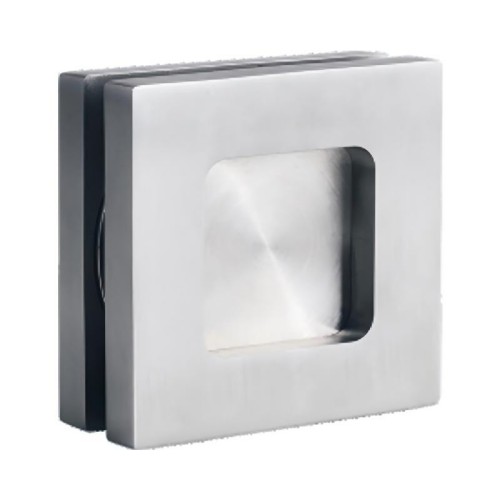
Table of Contents
- Understand The Door Before Replacing The Handle
- Remove The Old Handle With Accuracy
- Match The New Handle To The Door Function
- Pay Attention To Size And Installation Depth
- Choose The Right Material For The Environment
- Keep The Design Consistent With The Space
- Why B-End Buyers Care About More Than Installation
- Replace The Handle As Part Of A Better Door Solution
- Conclusion
Understand The Door Before Replacing The Handle
Before replacing any handle, the first step is to understand the door itself. A swing door, a sliding door, a concealed door, and a cabinet door do not all require the same hardware logic. If the replacement is chosen only by appearance, installation problems often come later. The handle may project too far, interfere with the wall, disrupt the sliding path, or look out of proportion with the panel.
This is one reason many buyers move away from general-purpose door handles when working on modern sliding systems. A flush handle works differently because it is recessed into the panel instead of standing proud of the surface. That creates a cleaner line and reduces the risk of snagging clothing, bags, or nearby objects. In a practical replacement project, especially for sliding doors, this design often makes more sense than a conventional lever or pull.
For B-end buyers, this matters because handle replacement is not only a maintenance issue. It is part of fit-out planning, product range development, and customer satisfaction. The wrong handle creates complaints. The right one becomes part of a smoother door experience.
Remove The Old Handle With Accuracy
To replace a door handle properly, the old hardware should first be removed without damaging the surrounding door surface. This sounds basic, but it is where many replacement jobs go wrong. If the installer rushes the process, scratches around the cutout or alignment errors can affect the final appearance.
A good replacement starts with checking the existing opening, screw position, panel thickness, and depth allowance. These details matter even more when the new hardware is a recessed model. Flush Pull Door Handles require the cutout and installation depth to be controlled more carefully than a surface-mounted pull. If the opening is too shallow, the handle may not sit cleanly. If it is too deep or uneven, the finished result can look loose or misaligned.
That is why professional buyers usually prefer hardware with clear dimensions and stable production. In larger projects, even small dimensional inconsistency can slow down installation and increase rework.
Match The New Handle To The Door Function
A replacement handle should match how the door moves and how the space is used. On a sliding door, a projecting handle can get in the way of wall contact or restrict smooth movement. In concealed or minimalist designs, a bulky external pull can break the visual line. In compact public or residential spaces, protruding hardware may also create more risk of collision.
This is where Flush Pull Door Handles become a practical replacement choice. A flush pull is built to stay level with the door face after installation, so it keeps the surface more streamlined and easier to integrate into modern spaces. For projects where visual continuity matters, this style often gives a better result than replacing one projecting handle with another.
Our product range fits well into this type of use because it is built around recessed installation logic. That makes it suitable not only for residential sliding doors, but also for concealed doors, cabinets, Lockers, and passageway applications where the handle should remain practical without becoming visually heavy.
Pay Attention To Size And Installation Depth
One of the most important parts of replacing a door handle is making sure the new hardware matches the door thickness and the prepared opening. This is especially true for recessed pulls. When a handle is designed to sit inside the panel, the groove depth, panel thickness, and back clearance all affect the final fit.
If these dimensions are ignored, the replacement may look uneven or feel uncomfortable in use. The installer may also find that the handle edge sits proud of the surface or leaves too much movement after fixing. That is why experienced contractors and project buyers pay close attention to dimensional control before purchasing in quantity.
This is also why standardized recessed hardware is attractive in project work. When dimensions remain stable, installation becomes faster and the opening layout can stay more consistent across multiple doors. That reduces labor uncertainty and helps with site acceptance later.
Choose The Right Material For The Environment
Replacing a door handle is not only a design decision. Material choice also matters. A handle used in a dry indoor bedroom is not under the same conditions as one used in a humid corridor, coastal property, or high-traffic public area. Buyers often focus on finish first, but the environment should usually guide the material decision.
For a replacement project, the right handle should balance durability, appearance, and the expected frequency of use. In some situations, standard stainless steel is enough. In other environments, buyers may want a higher-grade option or a lighter material for specific door structures. This is where supply flexibility matters. A supplier that offers multiple material options makes it easier to match the handle to the actual project requirement instead of forcing every customer into one standard choice.
For distributors and wholesalers, that flexibility also supports a broader market strategy. Different markets do not always want the same balance of cost, finish, and durability.
Keep The Design Consistent With The Space
A door handle may be small, but it has a strong visual effect because it sits at hand level and is used every day. When replacing hardware in modern interiors, many buyers now want the handle to disappear into the door design rather than dominate it. That is one reason flush pulls continue to gain attention in sliding systems and minimalist projects.
A recessed square profile works well because it feels structured, modern, and easy to coordinate with glass, wood, and architectural partition systems. It supports a cleaner surface line and often makes the entire door look more refined. In a replacement project, that can be just as important as the mechanical function, especially in hospitality, office, and residential developments where details shape the final impression.
This also helps explain why flush pulls are popular in current product ranges. They solve a practical installation issue while also supporting a more updated interior look.
Why B-End Buyers Care About More Than Installation
From a B-end point of view, replacing door handles is not only about one project or one door. It is about whether the hardware can be supplied consistently, whether the dimensions stay stable, whether the finish is repeatable, and whether OEM or ODM options are available for long-term cooperation.
A contractor may need a uniform handle size across many rooms. A distributor may want a clean modern style that can fit several channels. A brand owner may want custom packaging or a product variation that aligns with its own market positioning. These are all normal procurement concerns, and they go far beyond the simple installation question.
That is why a good hardware supplier adds value beyond the product itself. Reliable dimensions, multiple material choices, finish control, and OEM / ODM support all help buyers build a stronger and more dependable handle program.
Replace The Handle As Part Of A Better Door Solution
The best replacement projects usually happen when the handle is treated as part of the full door system rather than as an isolated accessory. The installer looks at the movement path, the panel thickness, the user grip, the finish style, and the overall role of the door in the space. When all these points are considered together, the replacement feels cleaner and works better in daily use.
This is especially true with sliding doors. A flush pull can improve not only the look of the door, but also the practicality of the whole opening system. It keeps the pathway cleaner, avoids unnecessary protrusion, and supports a more controlled installation result.
For project buyers and importers, that is a strong sales point. They are not just offering another handle. They are offering a hardware solution that fits current architectural and interior needs more accurately.
Conclusion
So, how to replace door handle? The practical answer is to start with the door type, remove the old hardware carefully, match the new handle to the movement and installation depth, and choose a material and finish that suit the real environment. When the door is a sliding or concealed type, Flush Pull Door Handles often make more sense than projecting handles because they keep the surface clean, reduce interference, and support a more modern final result.
If you are sourcing recessed door hardware for residential projects, commercial fit-outs, distribution, or private label development, feel free to contact us. We can help you review door type, installation needs, material options, and OEM or ODM requirements, so you can choose a handle solution that is easier to install and stronger for long-term business.