

How To Remove The Window Crank Handle?
Most people only search how to remove the window crank handle when something has already gone wrong. The handle feels loose, it no longer turns smoothly, or it simply looks worn after years of use. In small repairs, removing it is just a quick fix. In renovation work or hardware supply, it is usually the first step before replacement.
For contractors, distributors, and project buyers, this situation comes up often. A simple handle issue can turn into a bigger question about compatibility, installation efficiency, and long-term performance. That is also why searches like truth window crank replacement are common. Buyers are not only trying to remove a handle. They are trying to find a better solution after removal.
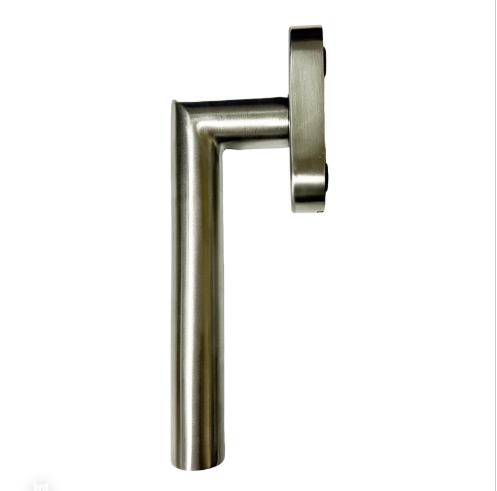
Table of Contents
- Start With The Right Way To Remove The Handle
- Why Removal Is Only Half Of The Job
- When Replacement Becomes An Upgrade
- What Makes A Good Replacement Handle In Practice
- Why B-End Buyers Focus On Consistency
- How Our Product Connects To Real Applications
- Why OEM And ODM Support Matter
- Practical Advice For Choosing The Right Replacement
- Conclusion
Start With The Right Way To Remove The Handle
Before removing the handle, it is better to close the window fully. This keeps the sash stable and makes the process easier. Most crank handles are fixed with a screw hidden under a small cover or directly visible at the base. Once the screw is loosened, the handle can usually be pulled off the spindle.
In older installations, the handle may feel tight. Dirt, paint, or slight corrosion can make removal harder. Forcing it too quickly often damages the spindle or scratches the window frame. A slower approach works better. Clean around the base, loosen gently, and pull evenly.
This step is simple, but it matters. A damaged spindle can create problems during replacement, especially in project work where consistency across units is important.
Why Removal Is Only Half Of The Job
Taking the handle off is usually the easy part. Choosing what to install next is where most problems begin.
Many buyers focus too much on appearance or try to match the old handle exactly. In reality, structure and compatibility matter more. The fixing centres, spindle size, and internal mechanism all affect how the handle will perform after installation.
That is why people often look for truth window crank replacement solutions. They want something that fits quickly and works reliably. But in many cases, especially in newer systems, the better option is not always the same crank style. It depends on how the window is designed to operate.
When Replacement Becomes An Upgrade
In many projects, replacing a crank handle is also a chance to improve the overall user experience. Older crank systems can feel slow, uneven, or less durable over time. In modern window systems, especially tilt-and-turn designs, the handle plays a more direct role in controlling opening modes.
This is where our product fits naturally. Instead of a simple crank-style replacement, a tilt-and-turn handle provides more controlled movement, clearer positioning, and smoother operation. It is designed to work with the window system rather than just turning a mechanism.
For renovation contractors and hardware buyers, this type of upgrade helps reduce future service calls. It also improves the overall feel of the window, which is something end users notice immediately.
What Makes A Good Replacement Handle In Practice
From a real-world perspective, a good replacement handle is not just about fitting once. It should remain stable after repeated use.
A handle with a solid internal structure transfers force more evenly. That means less wobble and smoother operation over time. Standard fixing centres make installation easier, especially when working across multiple units. A consistent spindle size reduces the risk of mismatch during bulk installation.
Material also matters. A metal body with a durable finish handles daily use better than lighter alternatives. In high-use environments such as apartments, offices, or renovation projects, this directly affects how often the handle needs to be replaced again.
These details are often overlooked at the beginning, but they are exactly what reduce maintenance later.
Why B-End Buyers Focus On Consistency
For individual users, replacing one handle is simple. For distributors, contractors, and importers, it is different. They are dealing with volume.
The challenge is not just finding a handle that works. It is finding one that works the same way across every unit. If installation varies from one piece to another, or if quality changes between batches, the problem quickly becomes expensive.
This is why consistency matters so much. A handle with standard dimensions and stable production quality helps reduce installation time and avoid unnecessary adjustments on site. It also makes future orders easier because the same specifications can be repeated.
How Our Product Connects To Real Applications
Our product is designed around practical use rather than just appearance. It uses a stainless steel body, internal metal components, and standard fixing dimensions. This allows it to perform reliably in daily use and across repeated installations.
In real projects, this means fewer issues during fitting and a more stable result after installation. The handle feels firm, the movement is clear, and the system works as expected. That is what most buyers are actually looking for.
The design also works across different environments, from residential spaces to larger project applications. This makes it easier for distributors and suppliers to use one product for multiple scenarios.
Why OEM And ODM Support Matter
In window hardware, many buyers are not just looking for a ready-made product. They need flexibility.
OEM support helps with branding, packaging, and market positioning. ODM support allows adjustments based on specific project needs or regional preferences. For importers and private label businesses, this is important because it helps build a more competitive product line.
A supplier that can support these requirements is easier to work with over the long term. It reduces sourcing complexity and helps buyers respond to market demand more quickly.
Practical Advice For Choosing The Right Replacement
After removing the old handle, it is worth checking a few key points before installing a new one. The spindle size should match. The fixing distance should align. The handle type should suit the window system.
If these points are correct, installation becomes straightforward. If they are not, even a good-quality handle may not perform well.
This is why practical compatibility matters more than visual similarity. A handle that looks right but fits poorly will always lead to problems later.
Conclusion
Removing a window crank handle is usually simple. The real value comes from choosing the right replacement afterward. A well-matched handle improves operation, reduces maintenance, and makes the window system feel more reliable.
Searches like truth window crank replacement show how often this problem comes up, but the better solution depends on structure, fit, and long-term use. A stable, well-designed handle makes a clear difference in both small repairs and larger projects.
If you are sourcing Window Handles for renovation, distribution, or bulk projects, you can share your requirements with us. We can help you review suitable options and support your next order with practical suggestions based on real application needs.
Previous: