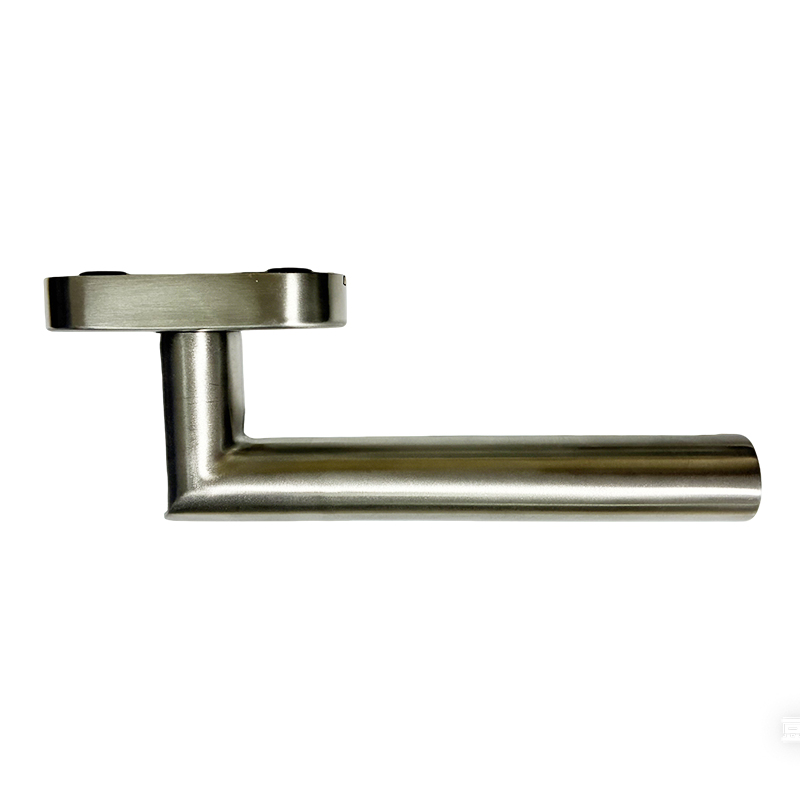

Which Window Handle Specifications Solve Compatibility Issues for Tilt-and-Turn Systems in Large-Scale Construction?
When you are managing a massive commercial building or a large-scale residential project, window hardware procurement can quickly become a massive headache. Tilt-and-turn windows are great for sealing and insulation, but they are incredibly picky about fitting tolerances. It is very common for a single project to use two or three different aluminum profiles to handle different wind loads on different floors. The trouble starts when the handles arrive on site: you find out the internal square spindle is either 5mm too short to catch the gear, or the base of the handle hits the frame bead.
Instead of getting work done, your team ends up stuck comparing multiple vendors, chasing down matching part numbers, and dealing with split shipping dates. The easiest way to stop this mess is to work with a direct manufacturer that can tweak the core handle dimensions to fit all your profiles in one single order.
Table of Contents
Fixing Spindle Depth and Detent Slack on the Job Site
The main issue with dual-action window hardware comes down to how the handle talks to the internal Lockbox. If the profile wall thickness changes even slightly, a standard fixed spindle won't work. If the metal shaft doesn't go deep enough into the gear, the internal rotor will strip out after a few months of heavy use by tenants.
To avoid these expensive call-backs, you need to look closely at the backend specs before ordering. Our factory solves this mismatch by offering custom-cut square spindles from 32mm up to 45mm, as well as adaptive spring-loaded shafts that adjust to the frame automatically. When choosing a Tilt and Turn Window Handle for heavy-duty commercial builds, the internal click mechanism is just as important as the shaft length. Our tilt and turn window handles use hardened steel ball-bearing detents instead of cheap plastic clips. This ensures the handle clicks firmly into place at 90 and 180 degrees, keeping the window from sagging or sticking when shifting from a side-hung swing to top tilting.
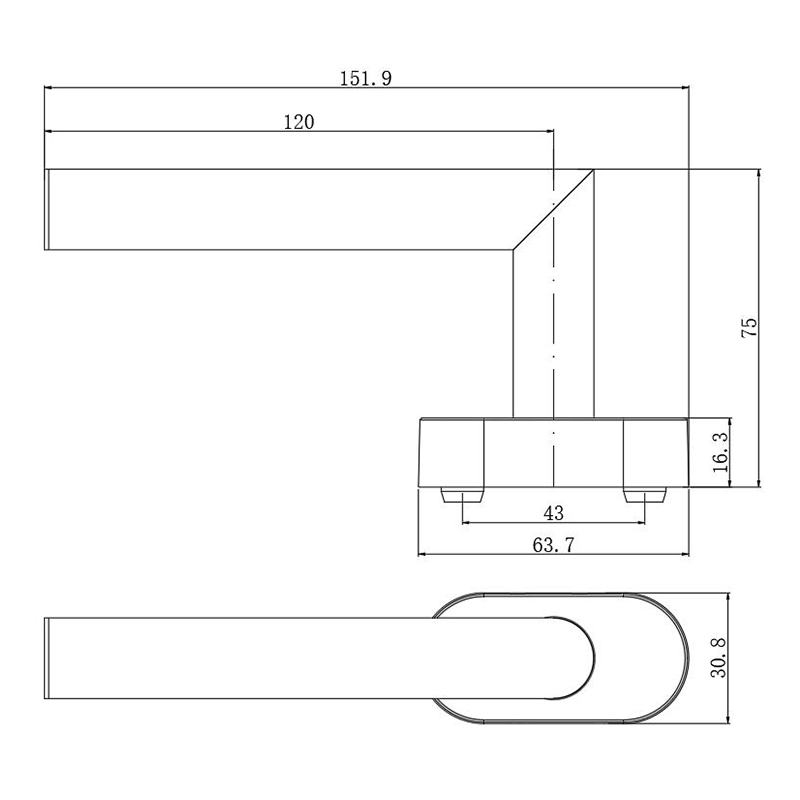
Practical Profile Compatibility Breakdown
| Hardware Fit Factor | Standard Catalog Problem | Our Factory Customization | On-Site Result |
|---|---|---|---|
| Spindle Length | Only comes in 35mm / Strips gears if too short | Custom milled from 30mm to 45mm to match your profile | No manual grinding or cutting needed on the job site |
| Screw Hole Centers | Minor millimeter shifts cause baseplates to crack | Standardized 43mm spacing with reinforced collar sleeves | Fits 98% of Euro-Groove lockboxes without forcing |
| Base Positioning Pins | Thick 10mm lugs that bottom out in shallow profiles | Low-profile high-shear strength centering pins | Prevents the handle from twisting or wobbling under pressure |
| Internal Gear Rotor | Cheap zinc alloy that snaps under heavy wind vacuum | Heavy powder-metallurgy steel or solid brass inserts | Zero handle snapping during heavy seasonal storms |
Stopping Lead-Time Slippage with One Unified Factory Order
Splitting your window hardware order among three different trading companies is a huge risk for your project timeline. If the handle vendor falls behind on production, or the hinge supplier runs out of raw materials, your entire installation team stands idle on site. This leaves open window frames exposed to the weather and delays the final building handover.
We cut out this entire coordination hassle by handling the whole fabrication process under our own roof—from the initial metal die-casting to the final automated surface anodizing. If your project blueprint requires locking handles for ground-floor security and standard non-locking handles for the upper floors, we run them on parallel assembly lines. You don't have to spend days comparing quotes or matching colors from different sources. You get one clear delivery date for the entire batch of your tilt and turn window handle inventory, and everything arrives at the job site packed together.
Conclusion
Finishing a large window installation on schedule comes down to removing the guesswork before the hardware lands on site. By choosing a handle design that allows for flexible spindle depths and uses a solid steel core, you protect your business from expensive delays and make sure every window locks smoothly from day one.
If you are currently dealing with mismatched parts on an active build or preparing a major project tender, let our technical team take a look at the drawings. Send over the cross-section blueprints of your aluminum profiles or your current handle measurements. We will figure out the exact spindle clearances and put together a direct factory quote to get all your hardware built, matched, and shipped out quickly. Reach out to our export desk today to get a sample sorted for your project.